Words by Peri Roberts
The Shift in Construction
For years, EPS foam has been the foundation of foil board construction. It’s familiar, reliable, and easy to build around. However, when the goal is maximum response, efficiency, and connection to the foil, the limits of foam become clear.
The hollow shell composite construction used in the Odyssey DW Nvision and Chimera Nvision represents a fundamental shift. Instead of carbon layered over foam, the structure itself becomes the board. Material is placed only where it contributes to strength, stiffness and control. Everything else is removed.
The result is not simply a lighter board. It is a different relationship between rider, board and foil.
What Hollow Construction Changes
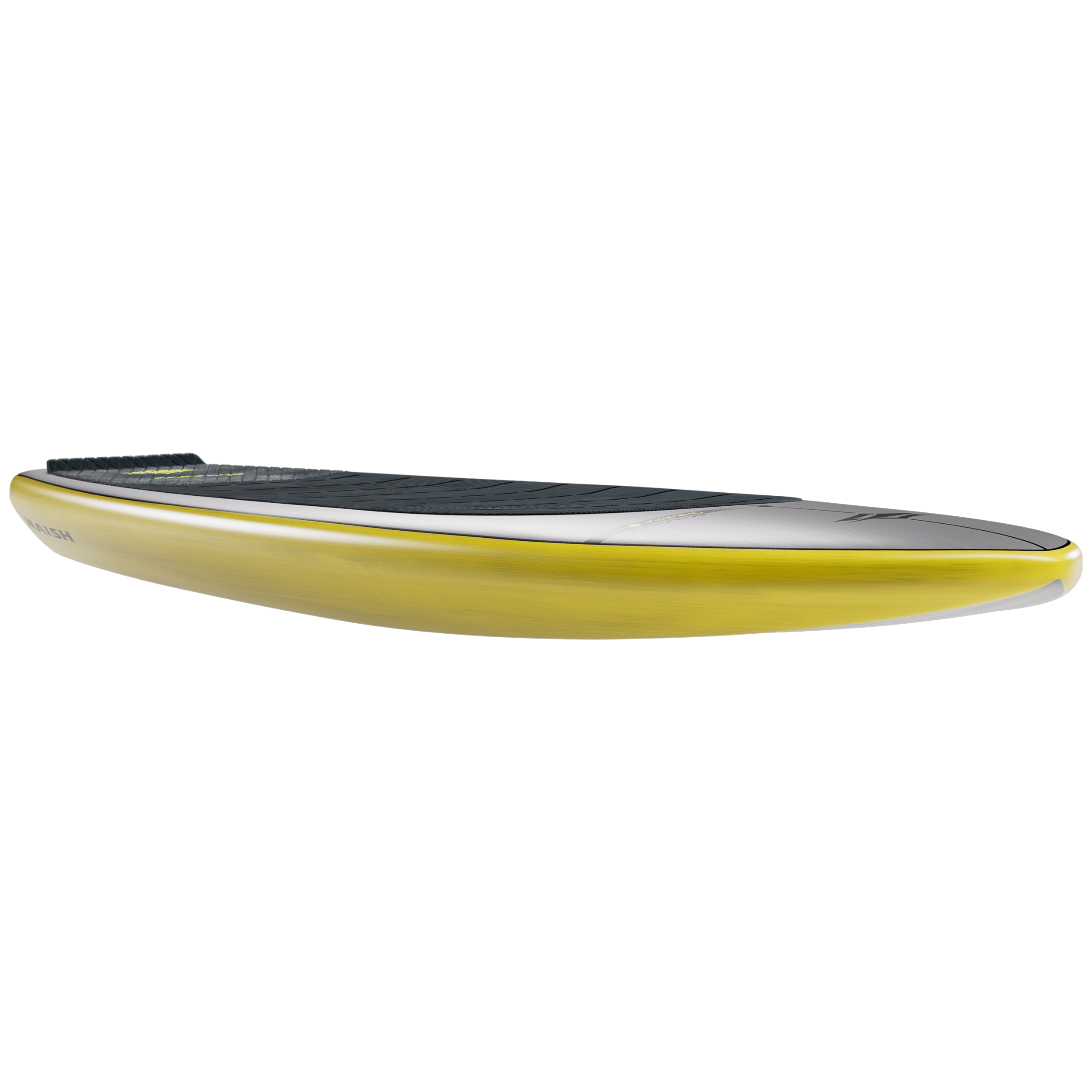
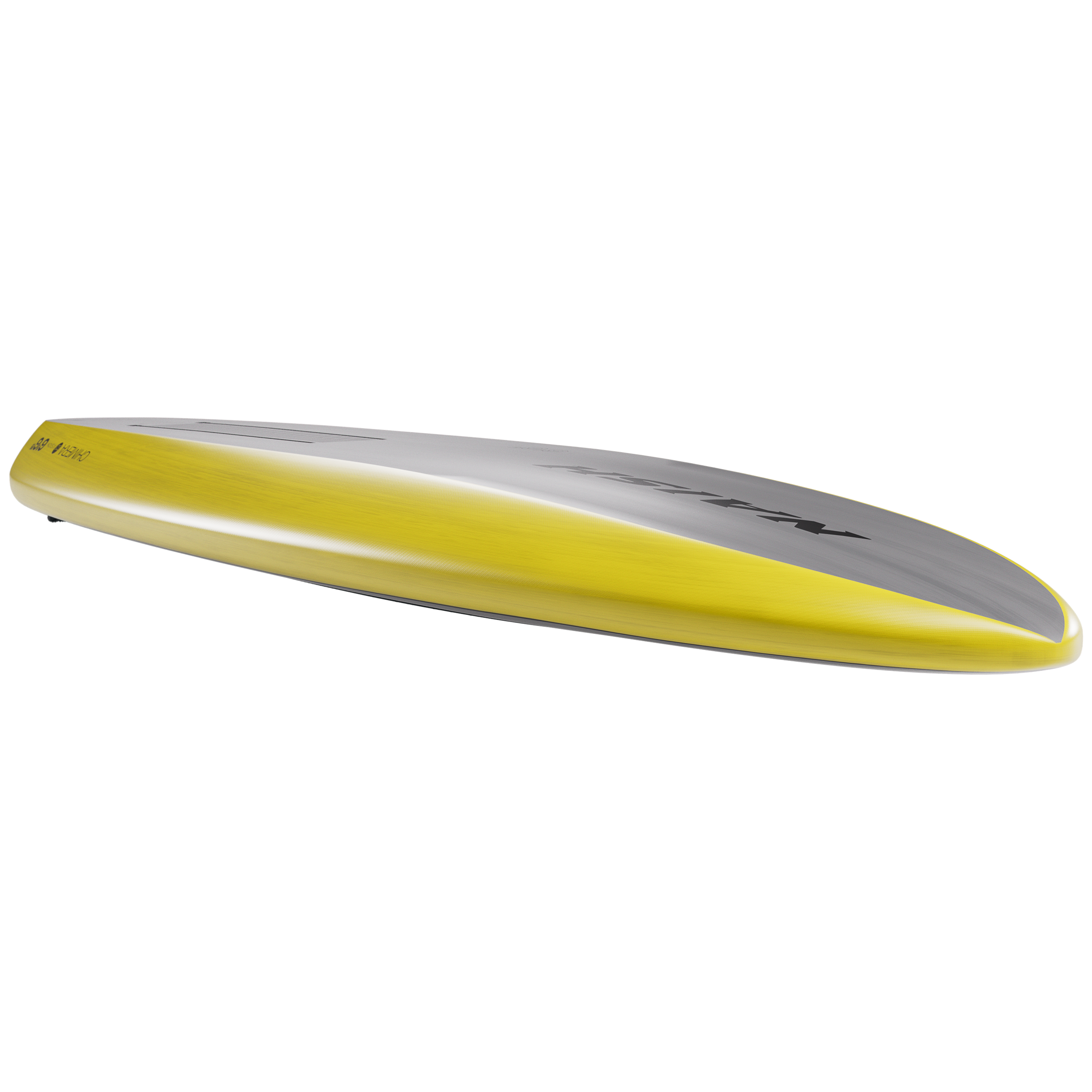
Naish’s hollow construction is a full shell composite build with no foam core. A thick outer skin forms the primary structure, reinforced by PVC stringers running nose to tail, with additional transverse reinforcements across the board. This creates a rigid shell that carries load more efficiently than traditional carbon-over-foam designs.
Across the range, this construction delivers approximately a 2 kg weight reduction compared to EPS boards of the same size. More importantly, that reduction is paired with increased stiffness. The standing area no longer flexes against a compressible core. Instead, rider input transfers directly into the foil.
Riders consistently report feeling more volume under their feet, despite riding the same dimensions. Buoyancy is increased without changing board size, improving paddling efficiency, take-offs and recovery. Reduced swing weight makes longer boards feel shorter and more maneuverable, particularly during transitions and redirection.
One Structural Approach. Two Applications.
Odyssey DW Nvision vs Chimera Nvision
Both the Odyssey DW Nvision and Chimera Nvision are built using the same hollow shell composite technology. What separates them is not construction, but purpose.
Each board applies the benefits of hollow construction differently, depending on how and where it is meant to be ridden.
Odyssey DW Nvision — Downwind Efficiency, Uncompromised
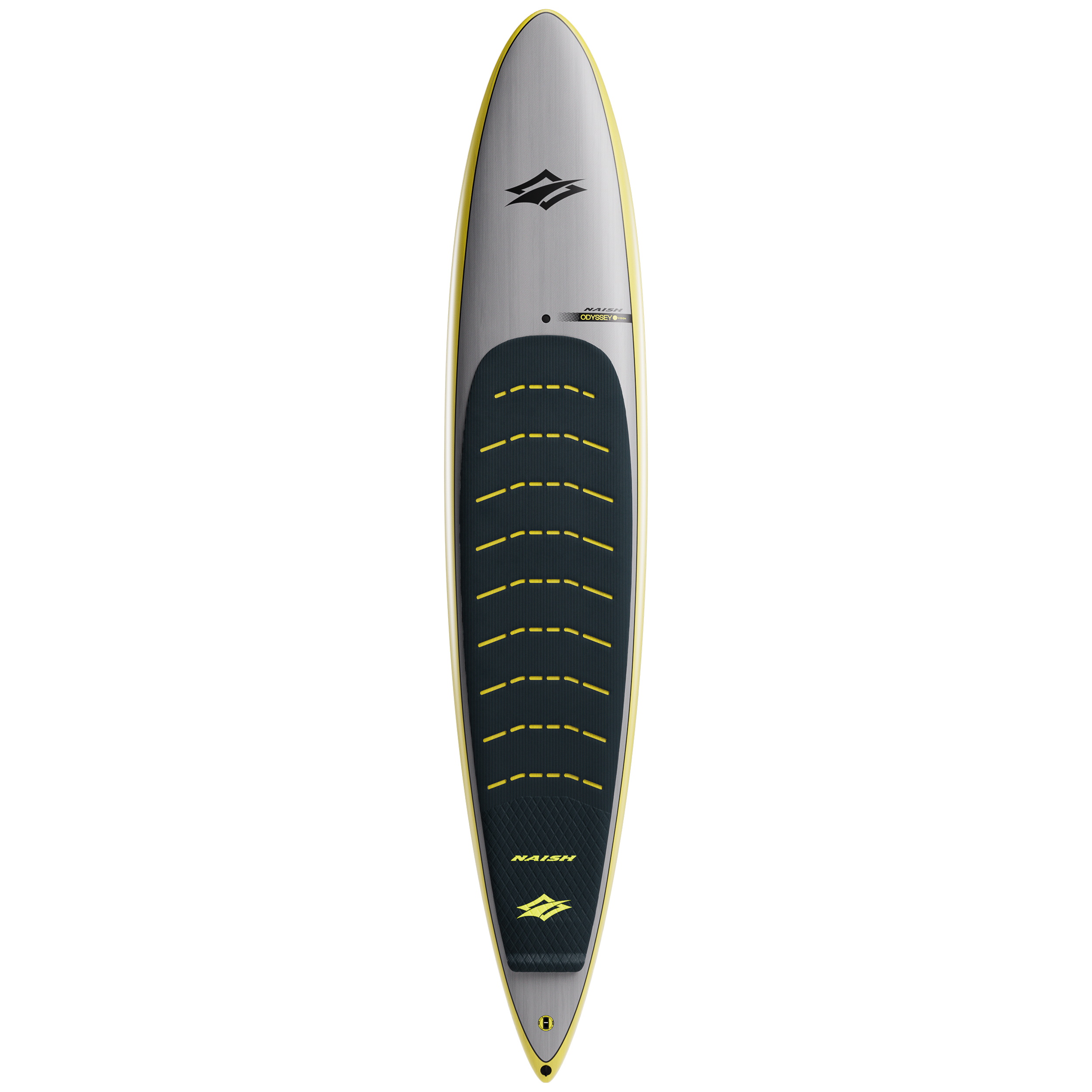
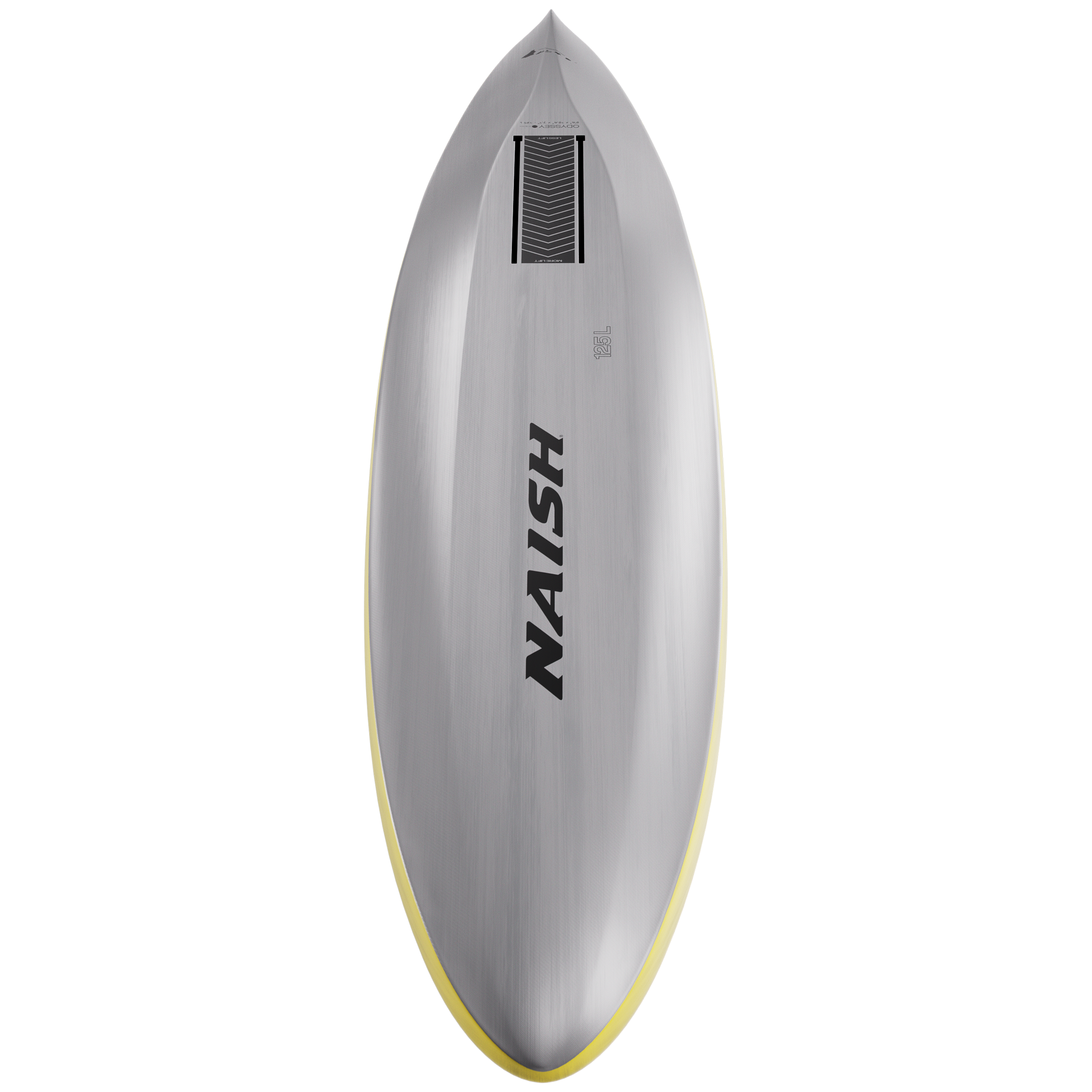
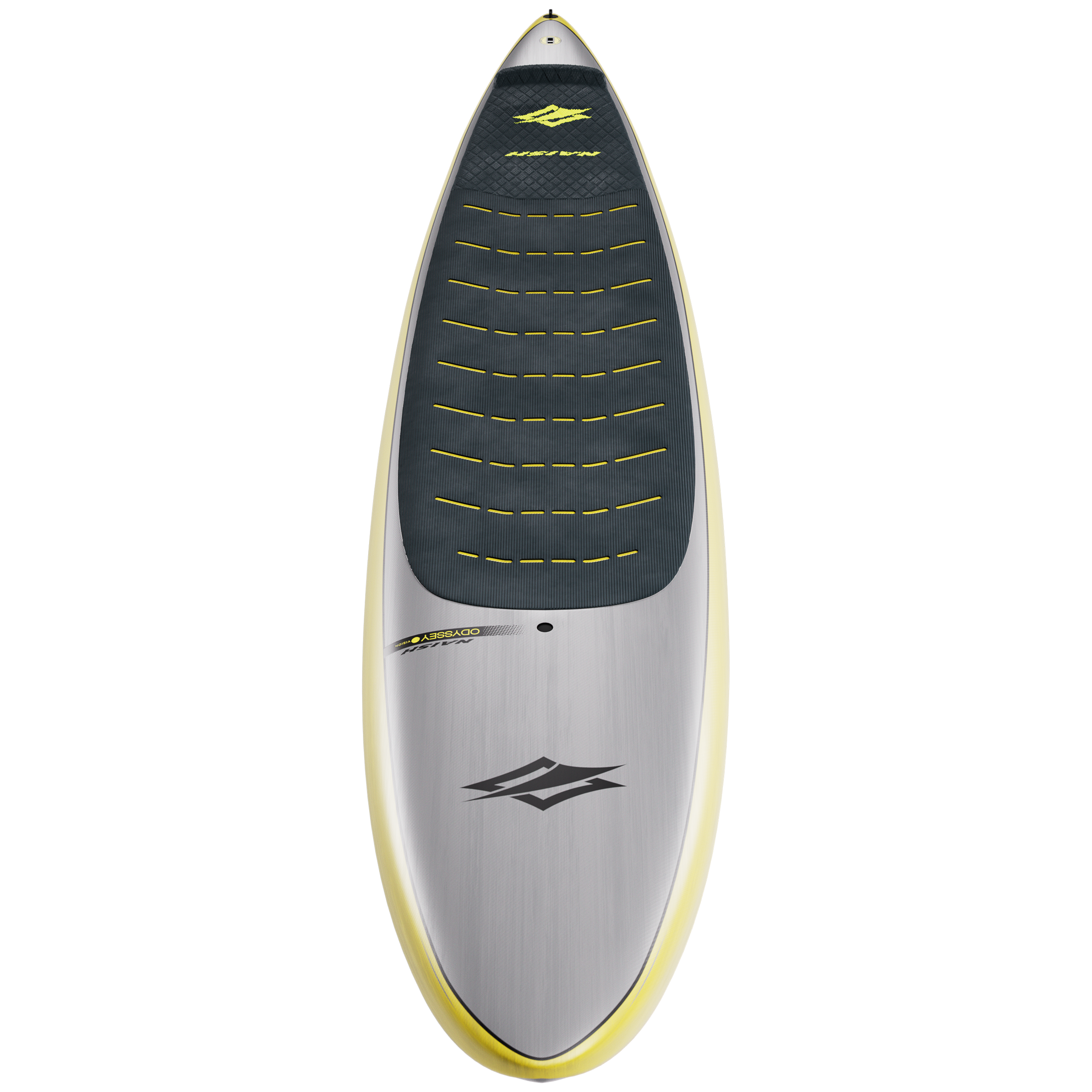
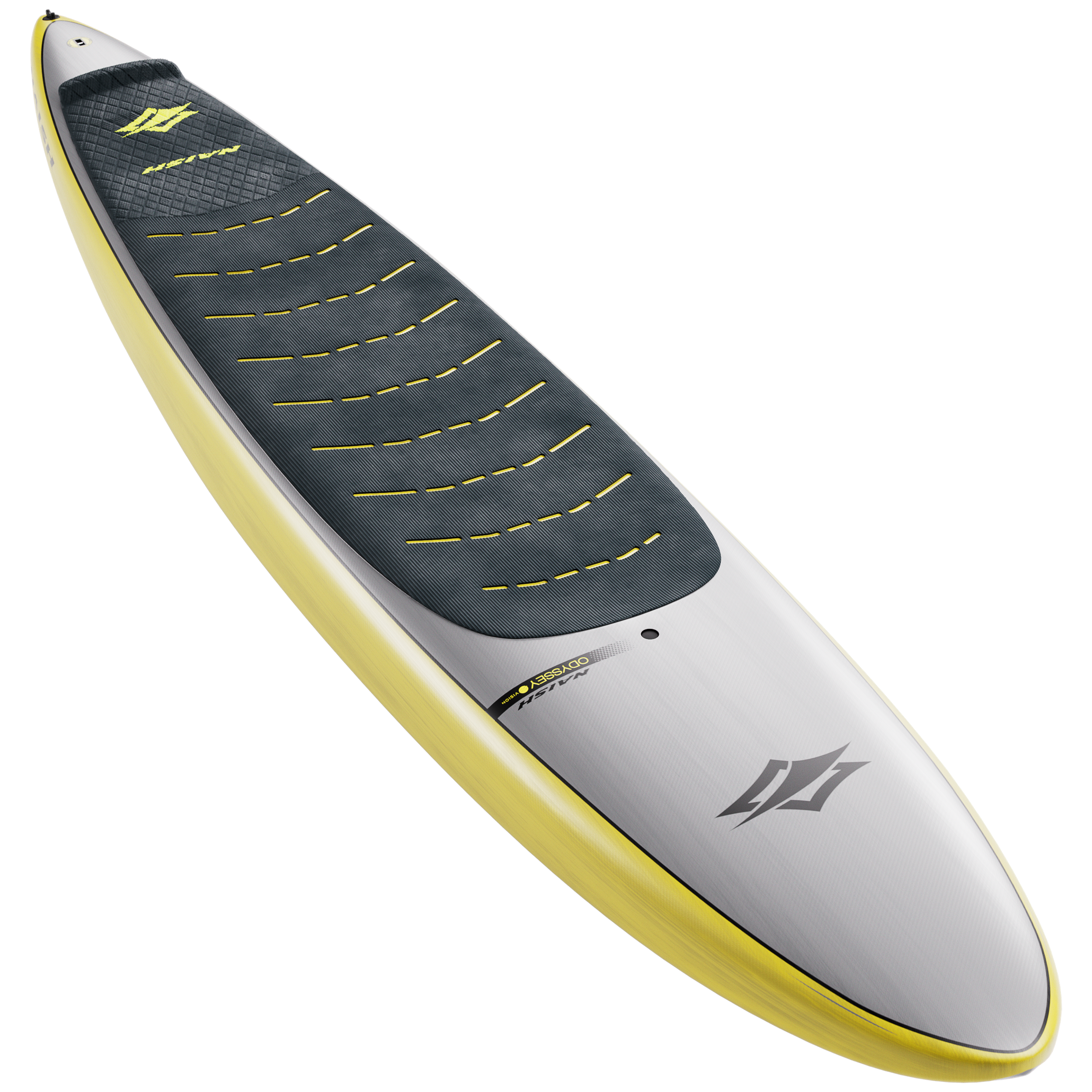
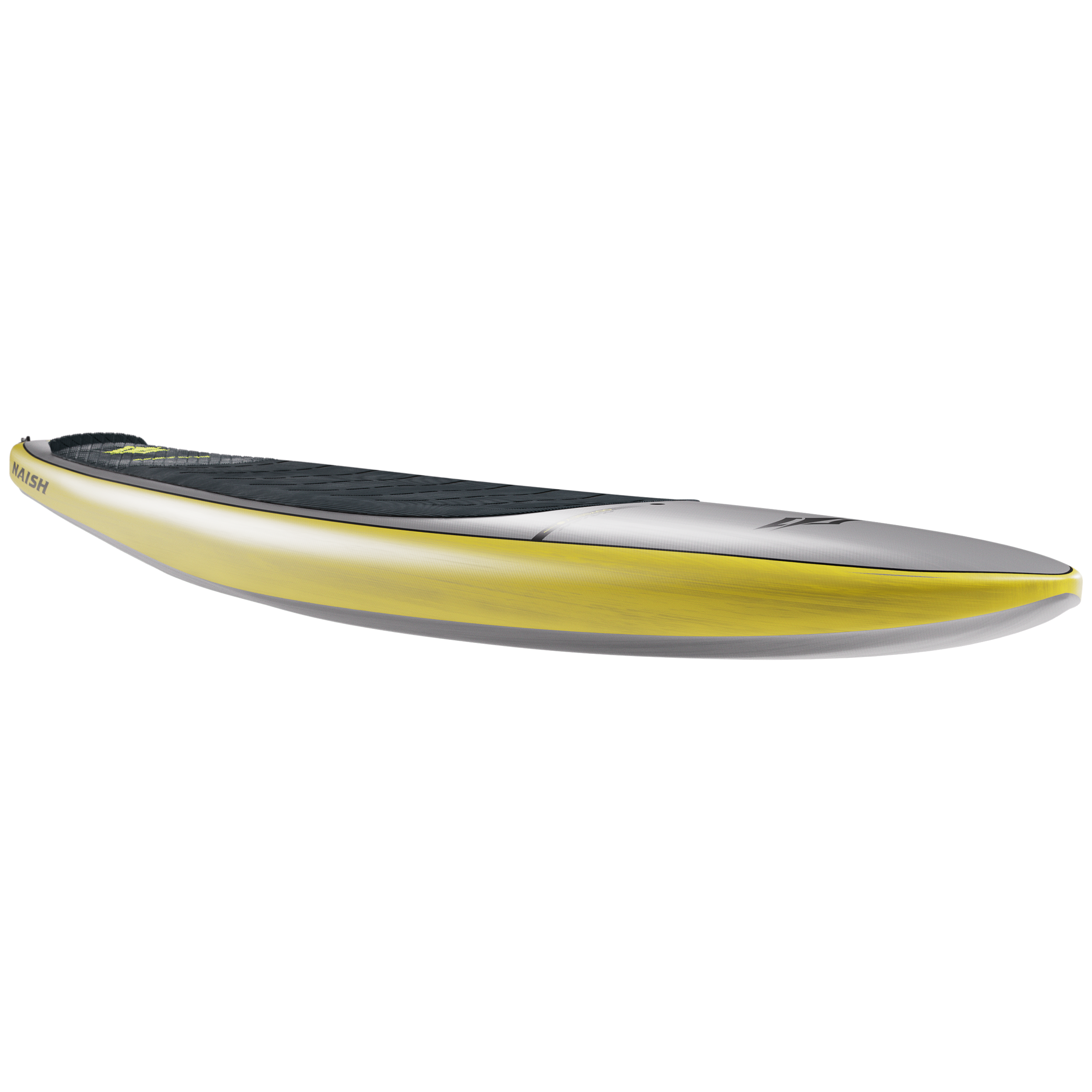
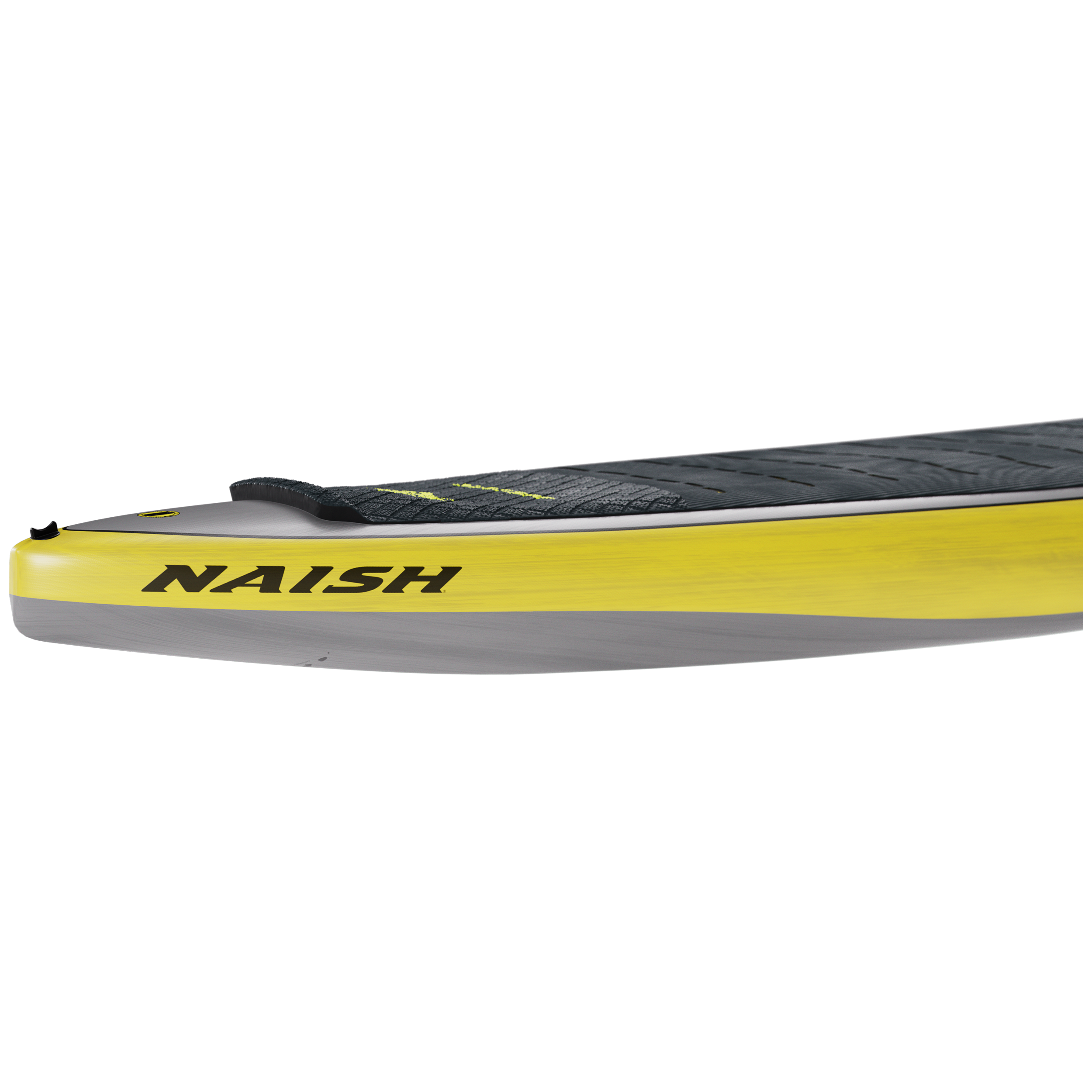
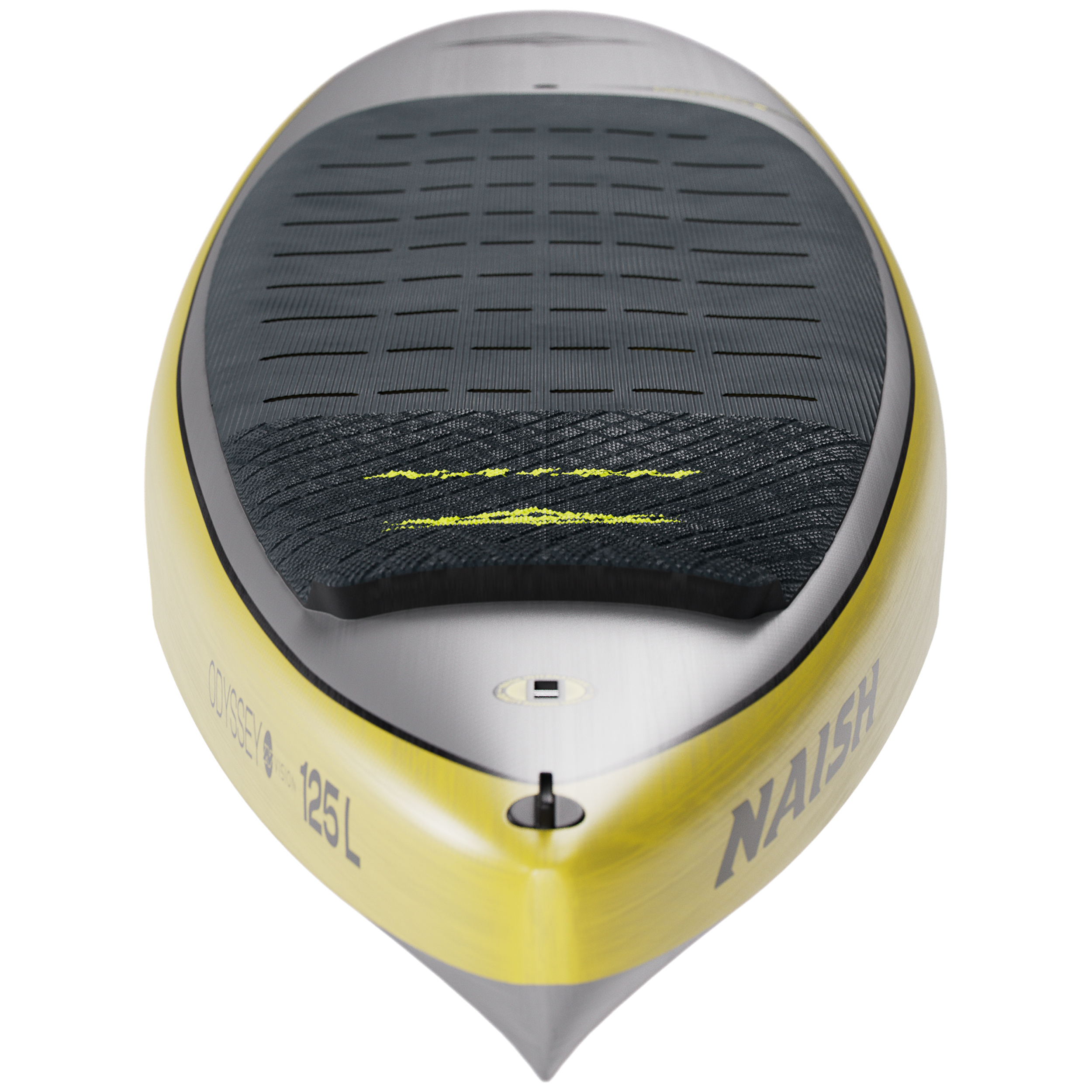
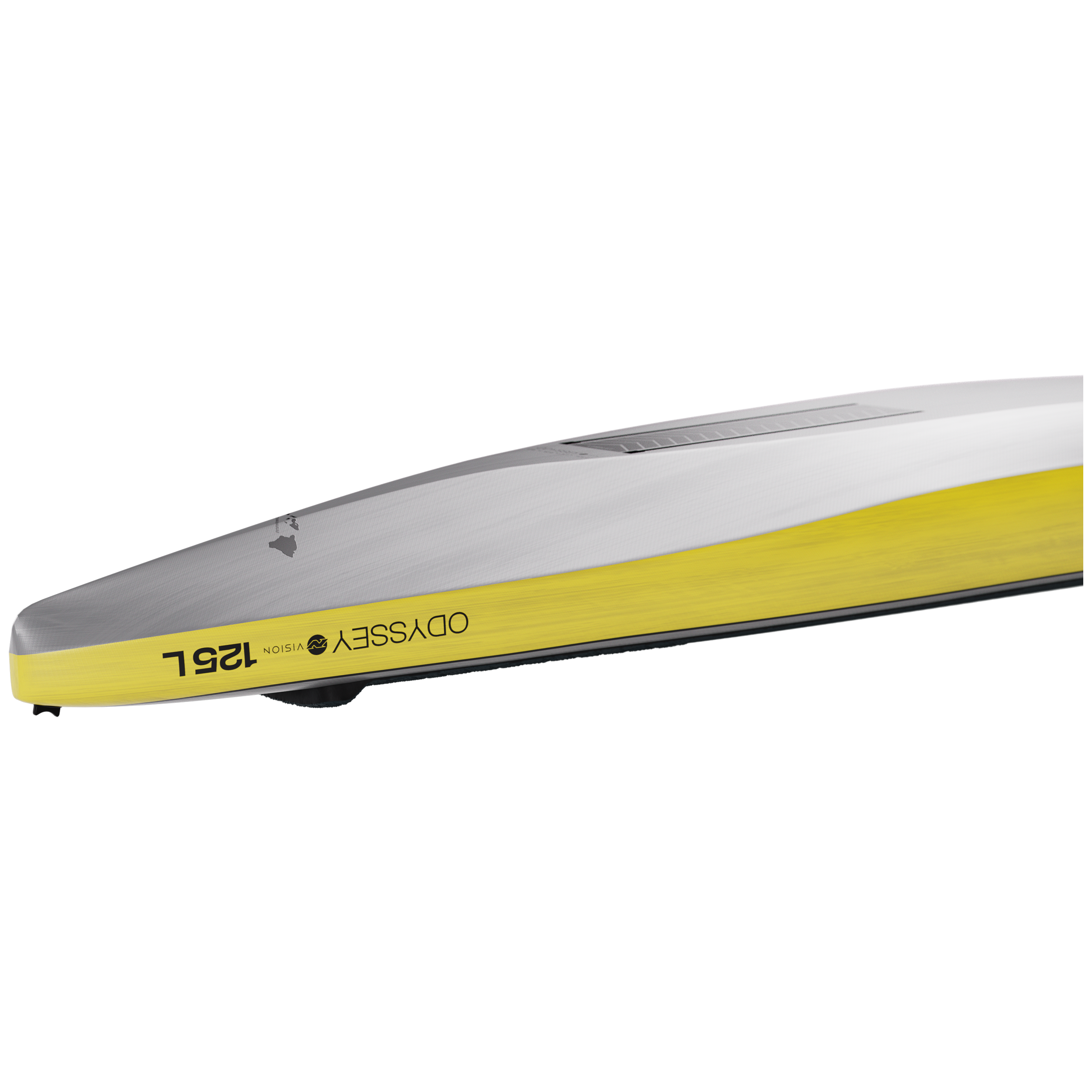
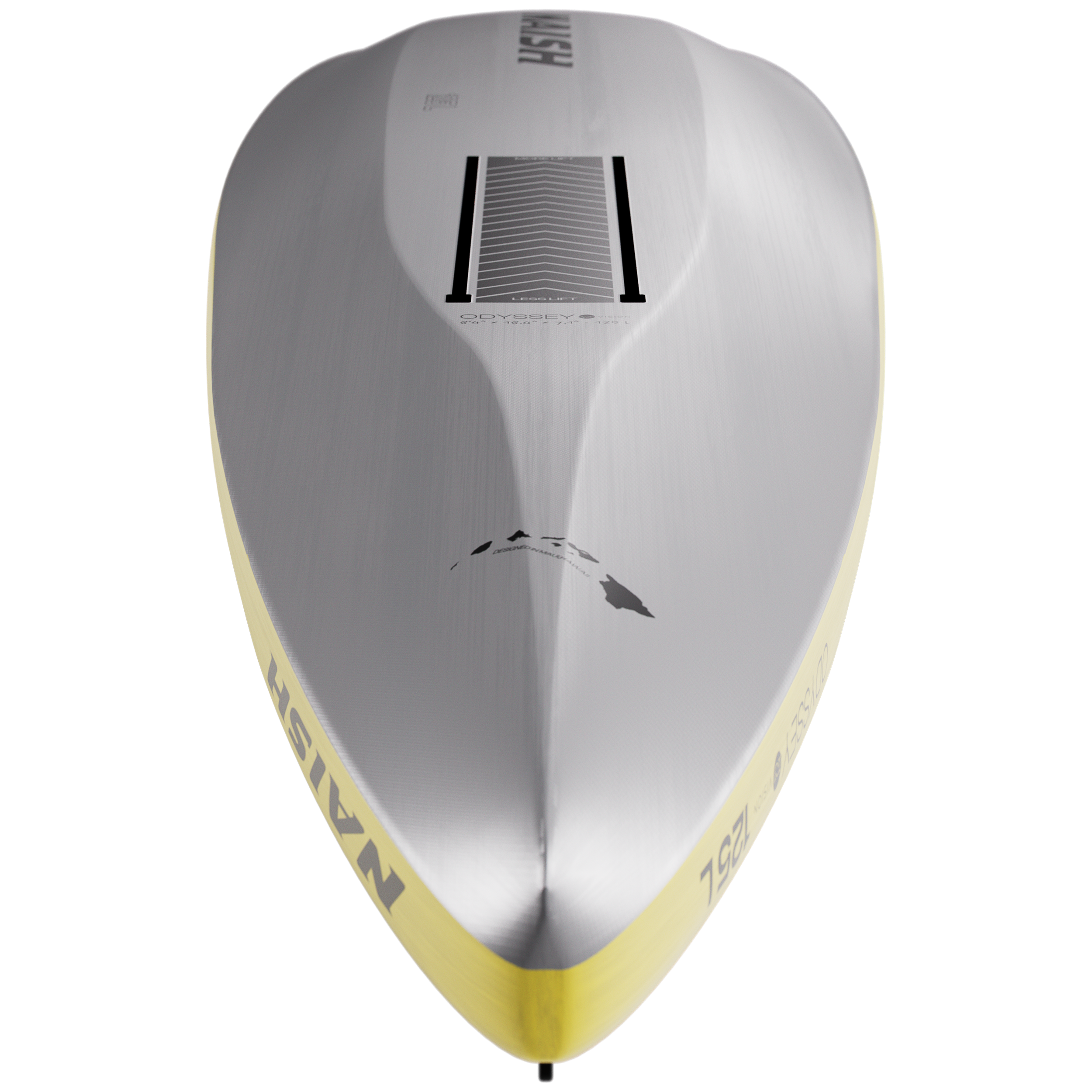
The Odyssey DW Nvision is purpose-built for paddling-oriented downwind foiling. In this context, hollow construction delivers its most dramatic gains.
Downwind boards are inherently longer, and length typically comes with increased swing weight. By removing unnecessary mass and concentrating structure into the shell, the Odyssey becomes significantly easier to redirect, even in strong wind and open-ocean conditions. Acceleration is immediate, allowing riders to get up on smaller foils and maintain speed through variable energy.
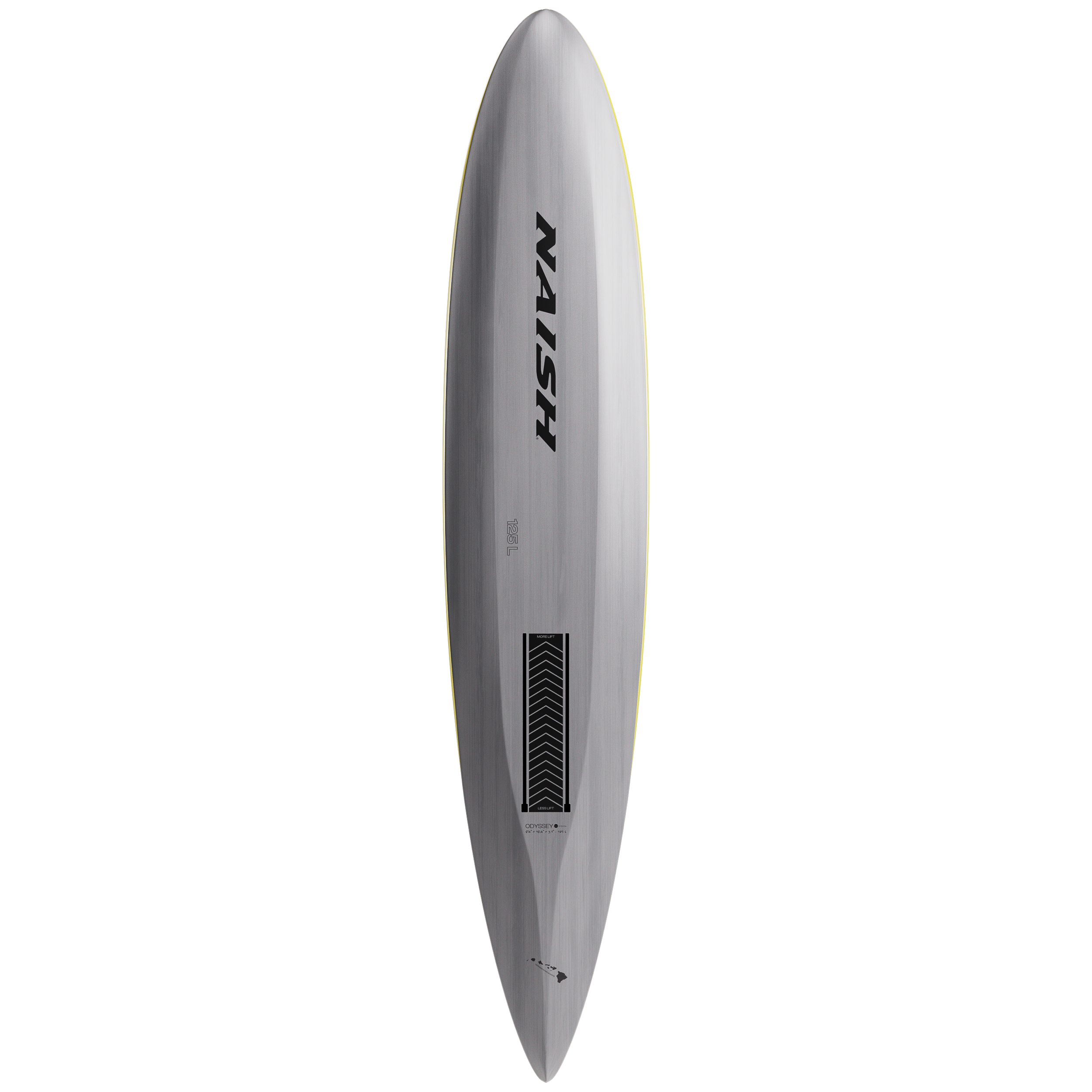
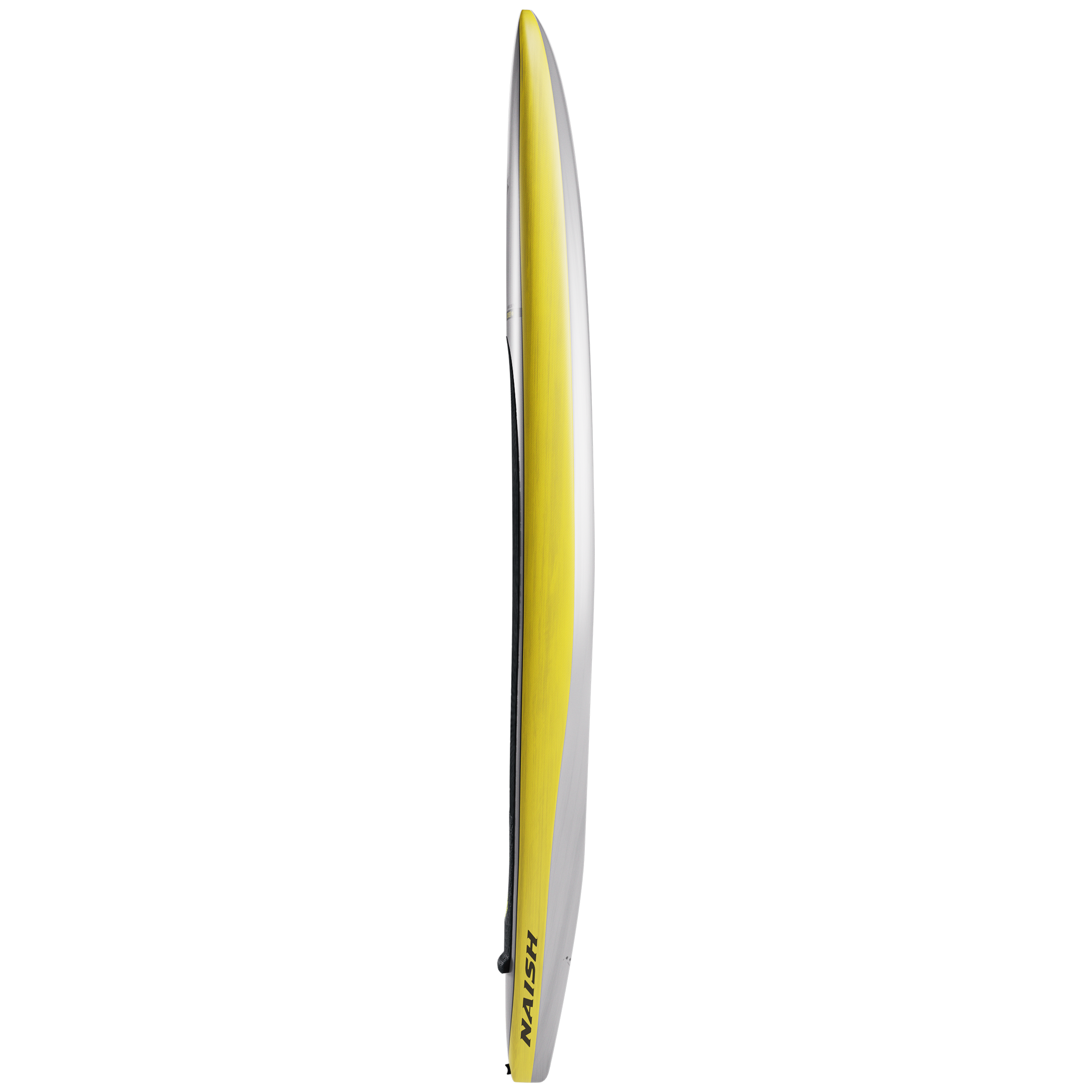
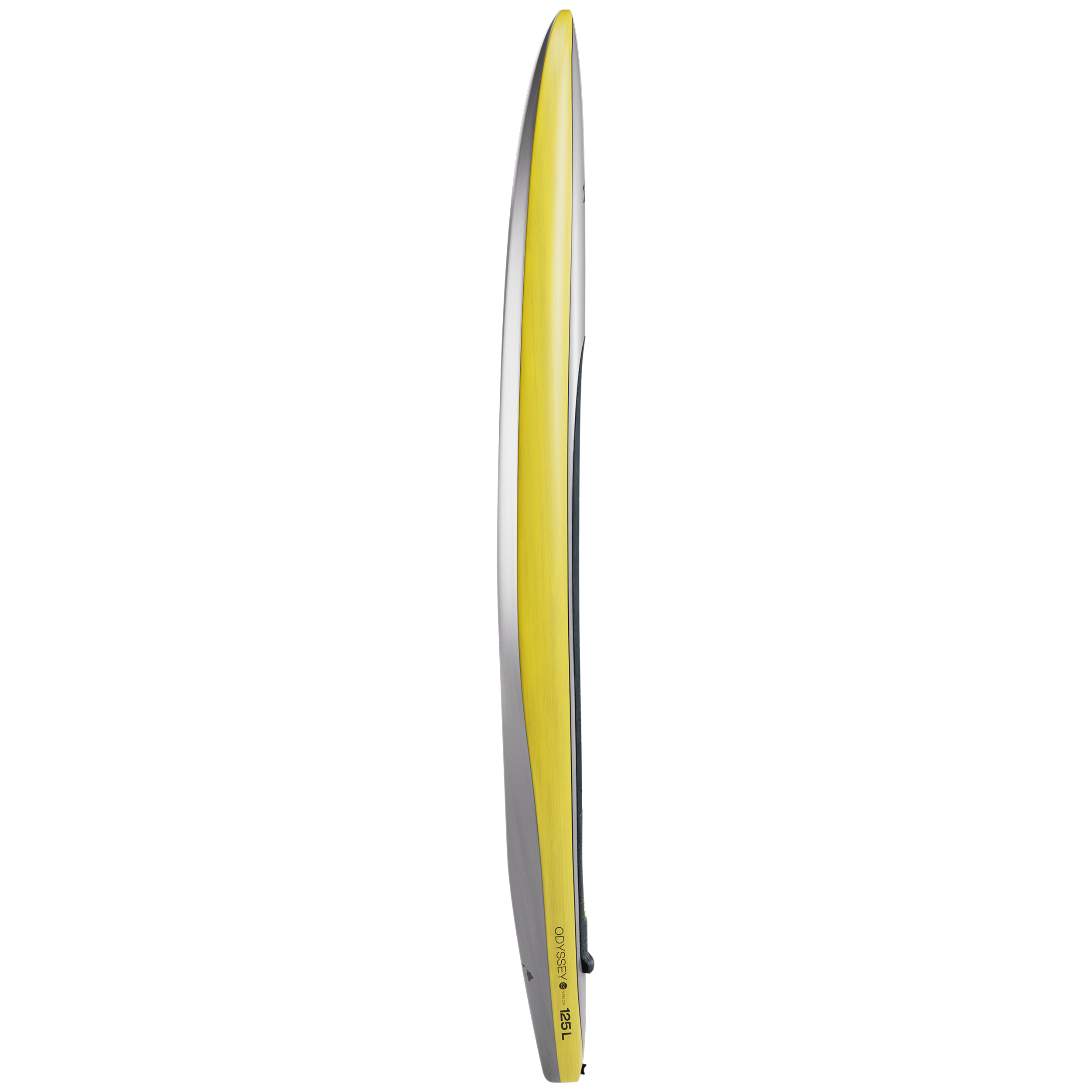
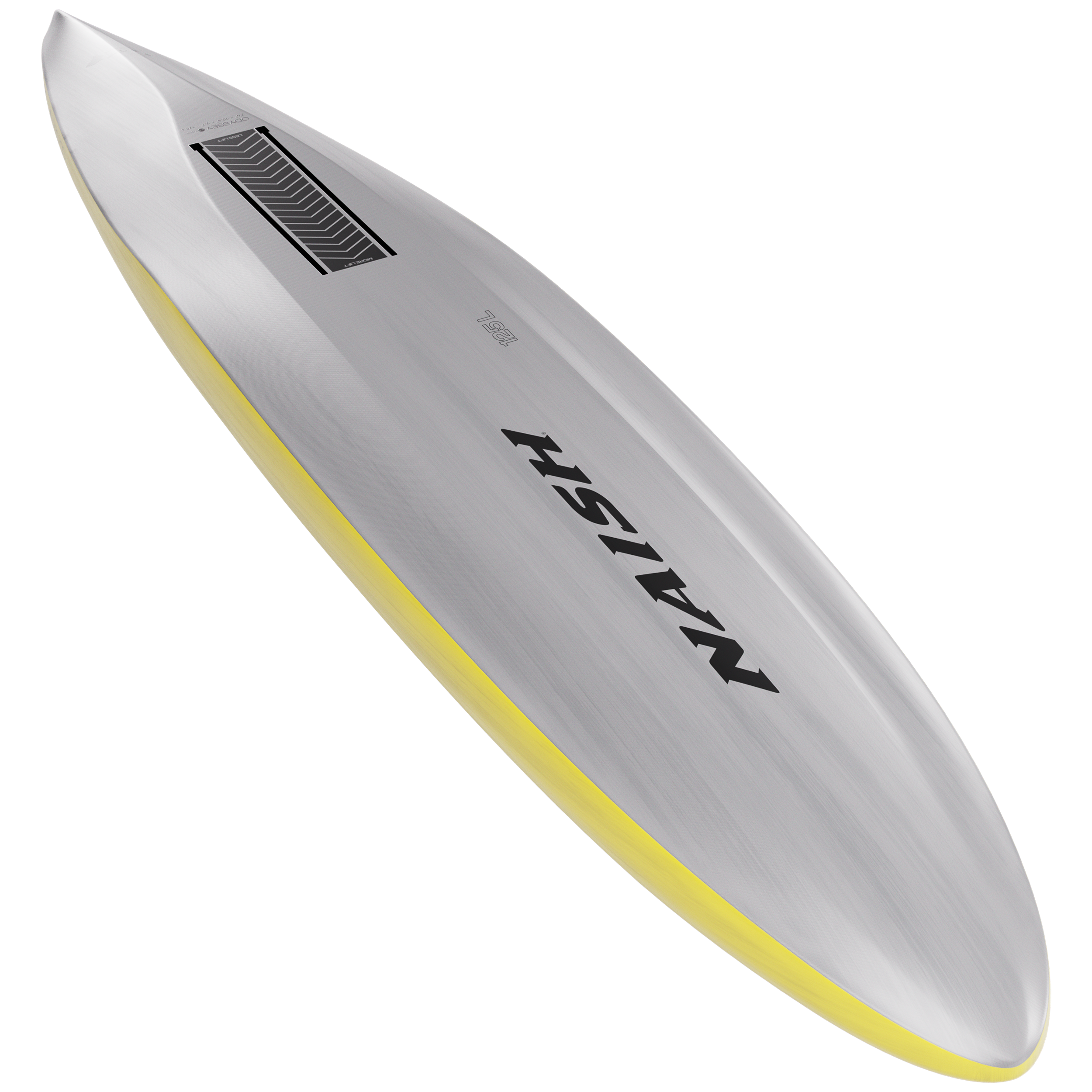
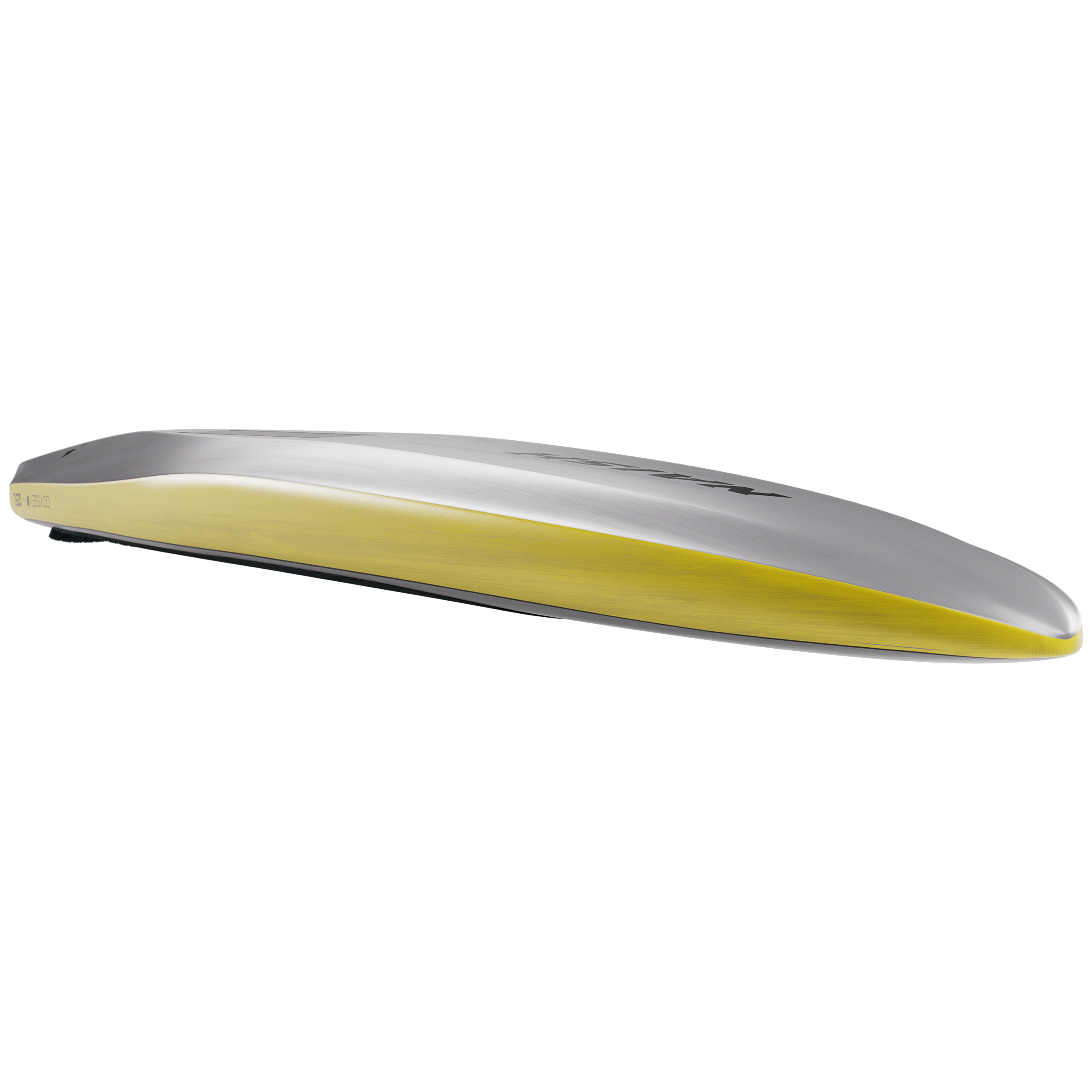
The rocker line, trip-plane bottom and tail kick work together to reduce planing speed while remaining compatible with shorter-period bumps found on rivers and lakes. The board paddles smoothly, recovers quickly from touchdowns, and stays on foil longer with less effort.
For racers and distance-focused riders, the Odyssey DW Nvision delivers faster starts, cleaner transitions, and sustained efficiency over long runs. It is designed to remove fatigue from the equation and replace it with consistency and control.
This is a board for riders chasing speed, distance and flow without compromise.

Chimera Nvision — Precision, Refined
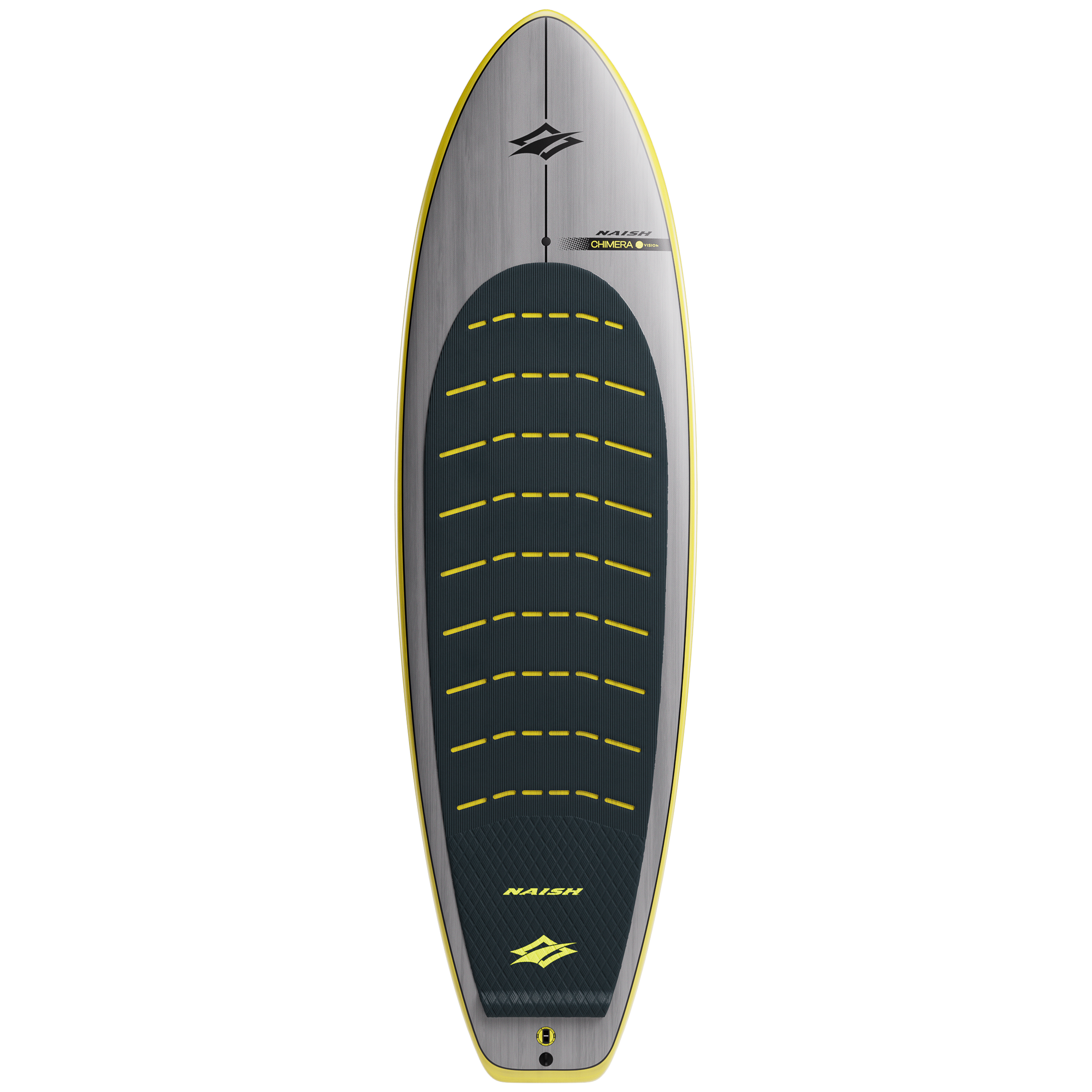
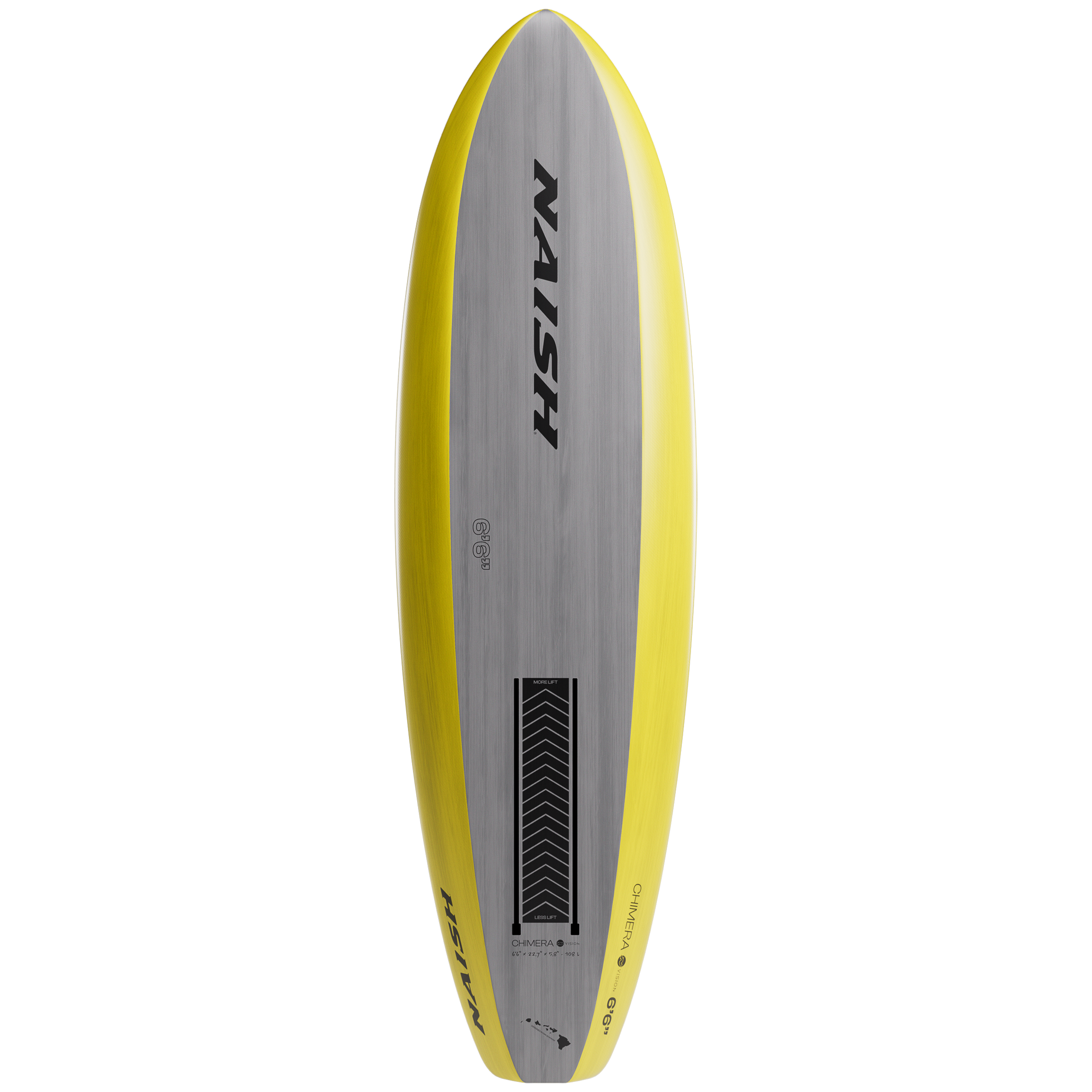
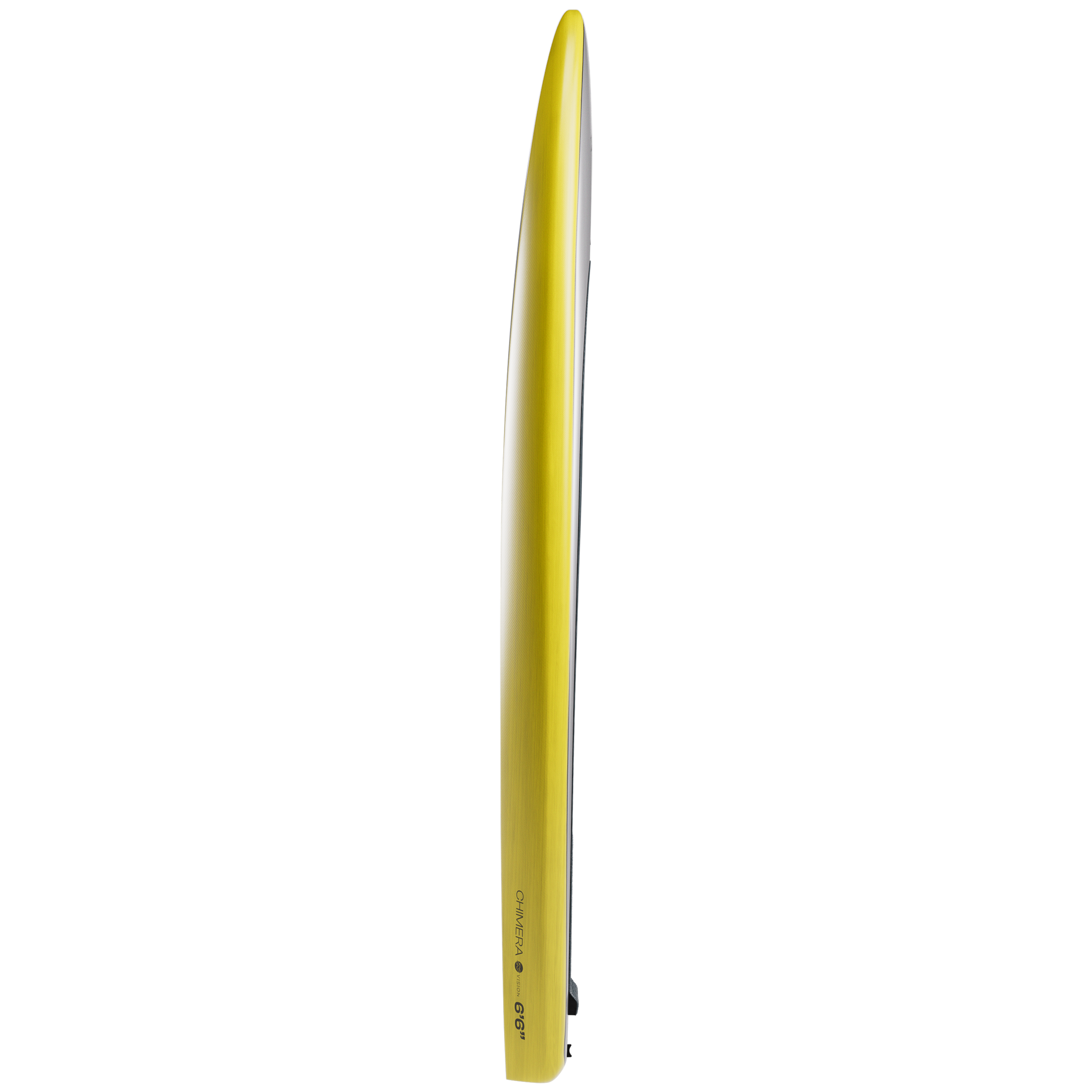
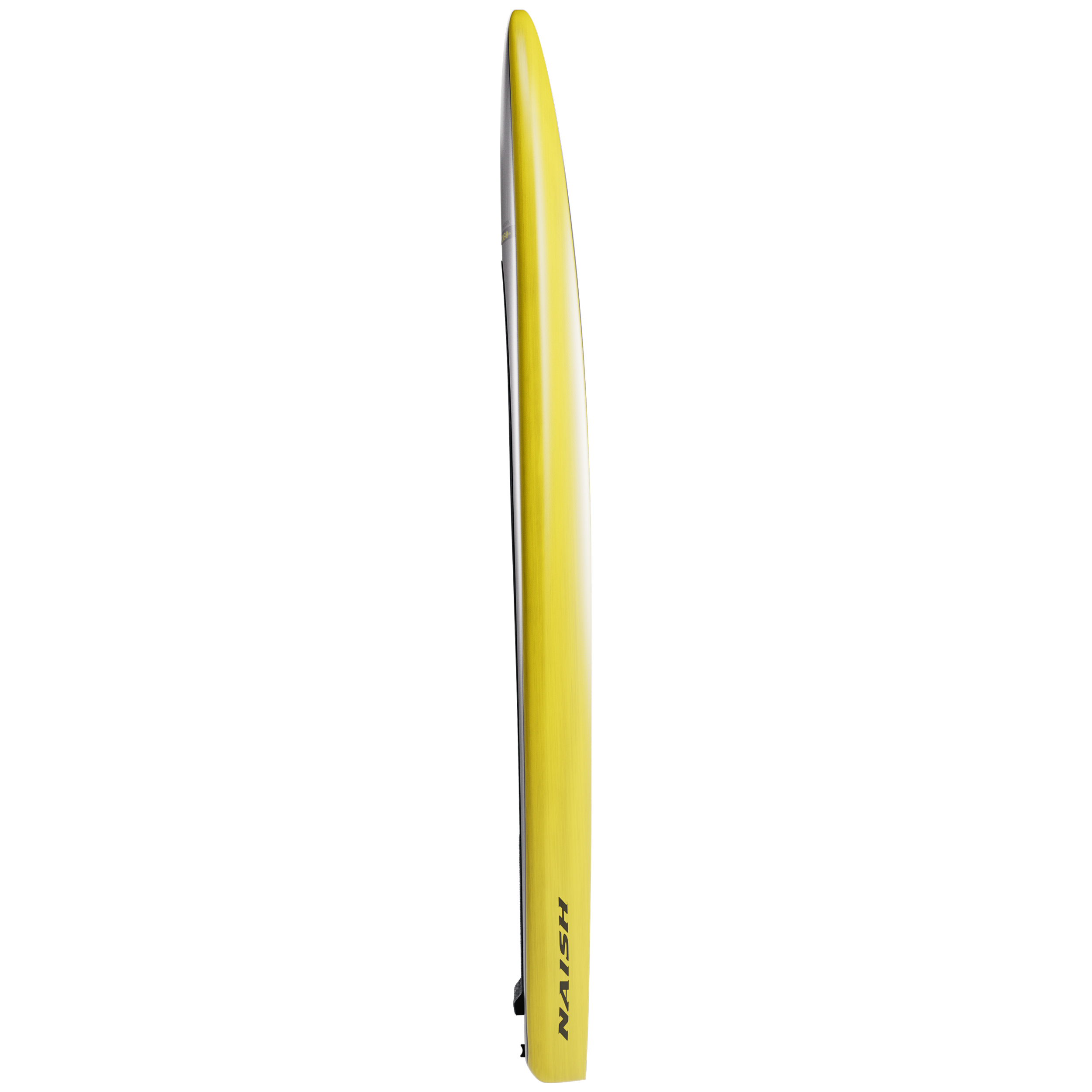
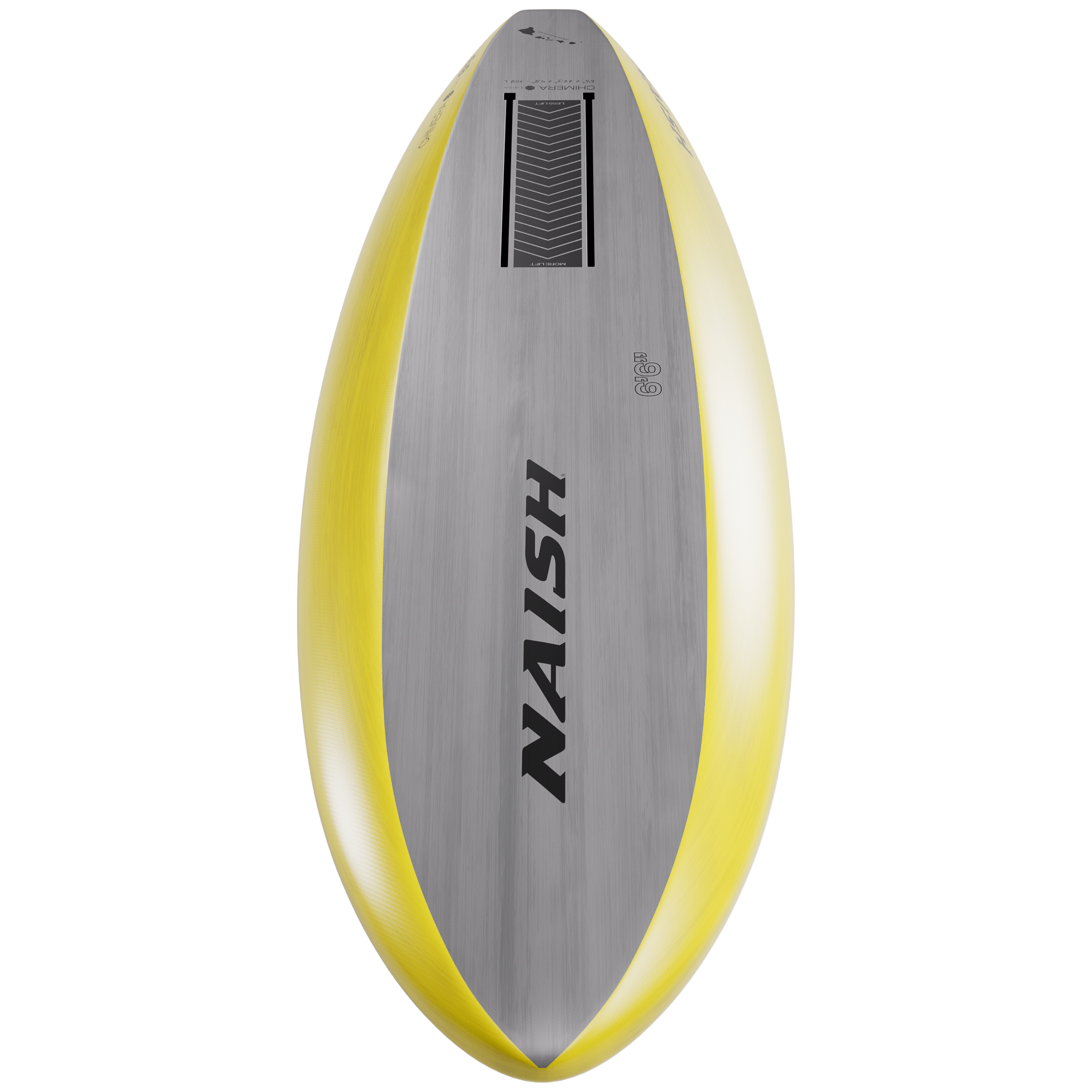
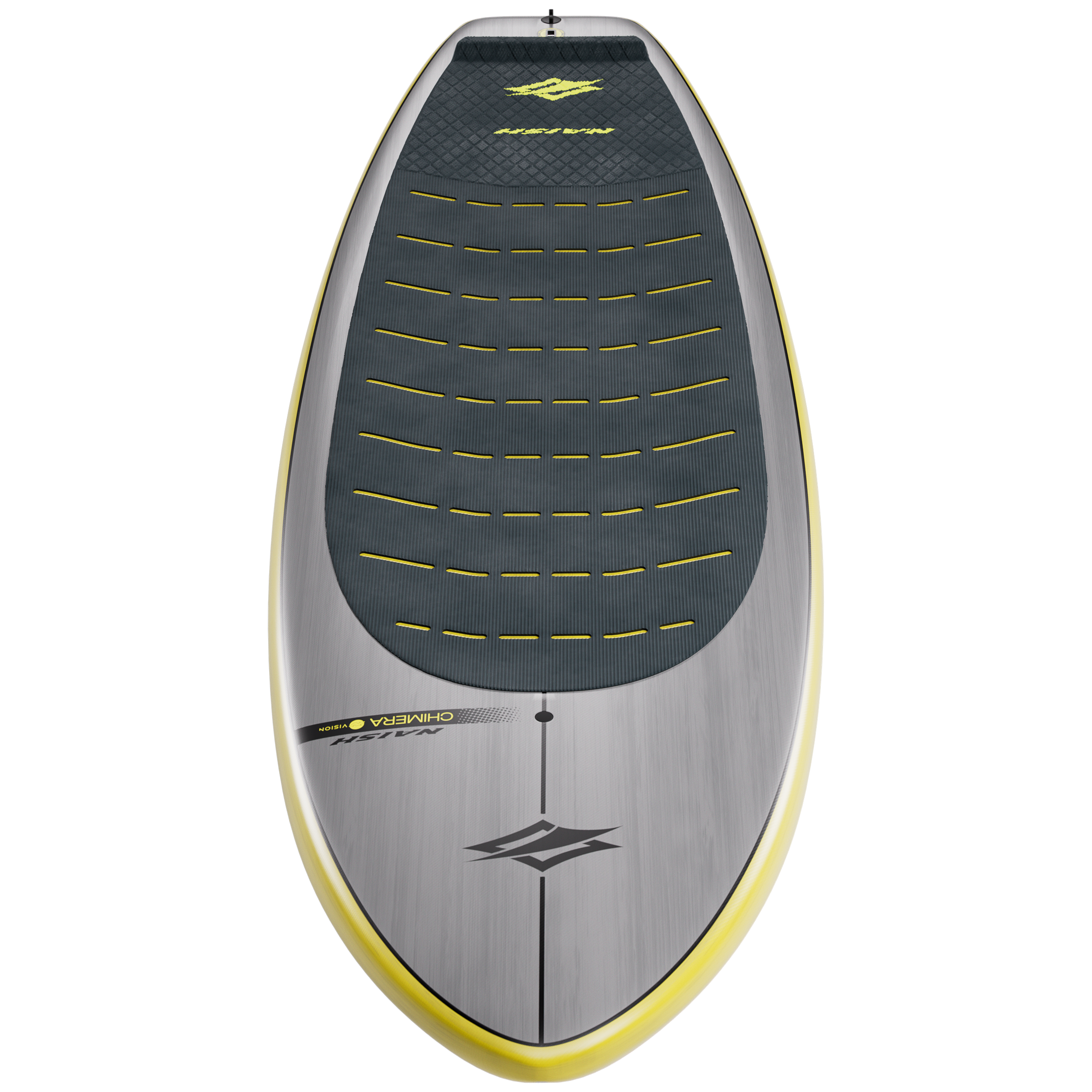
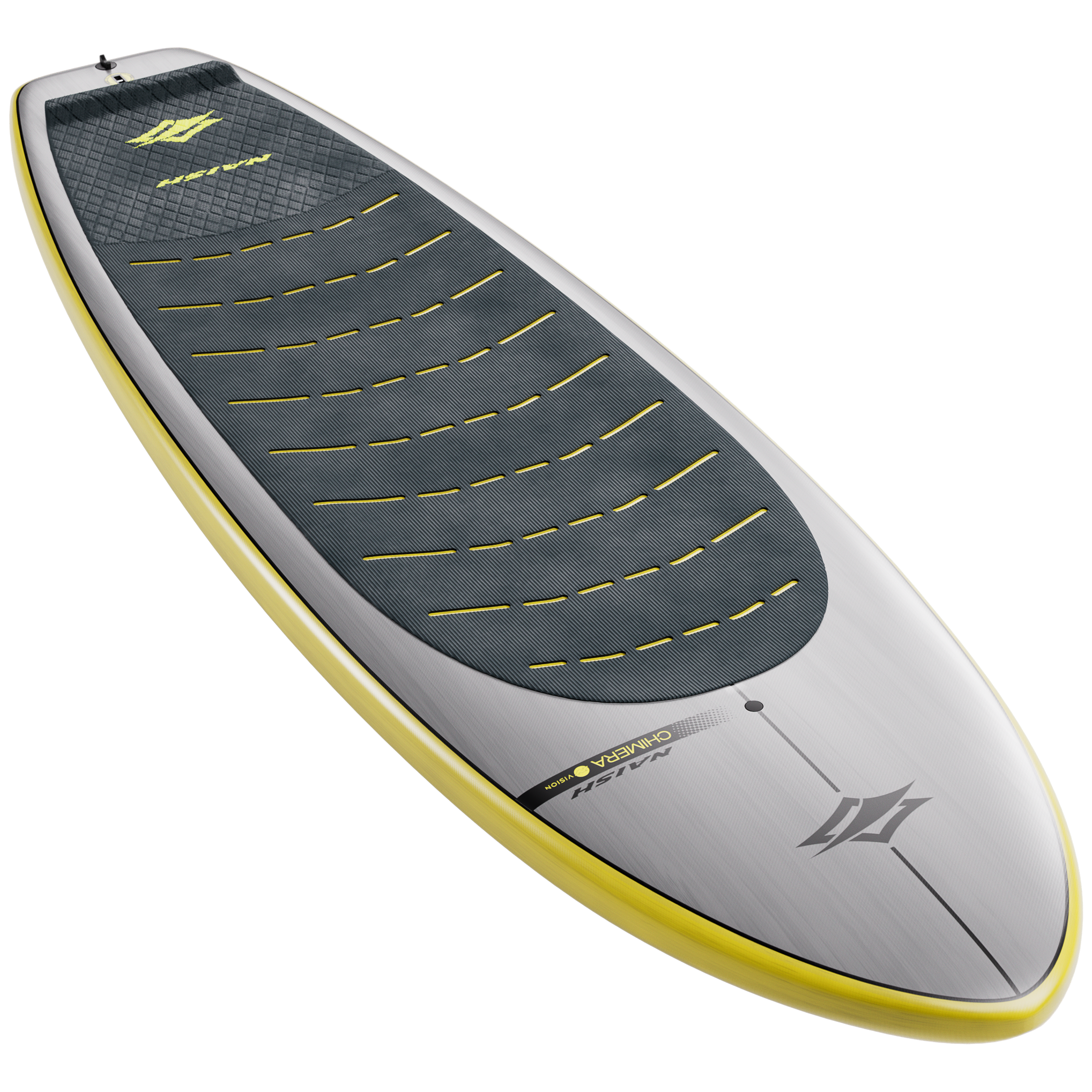
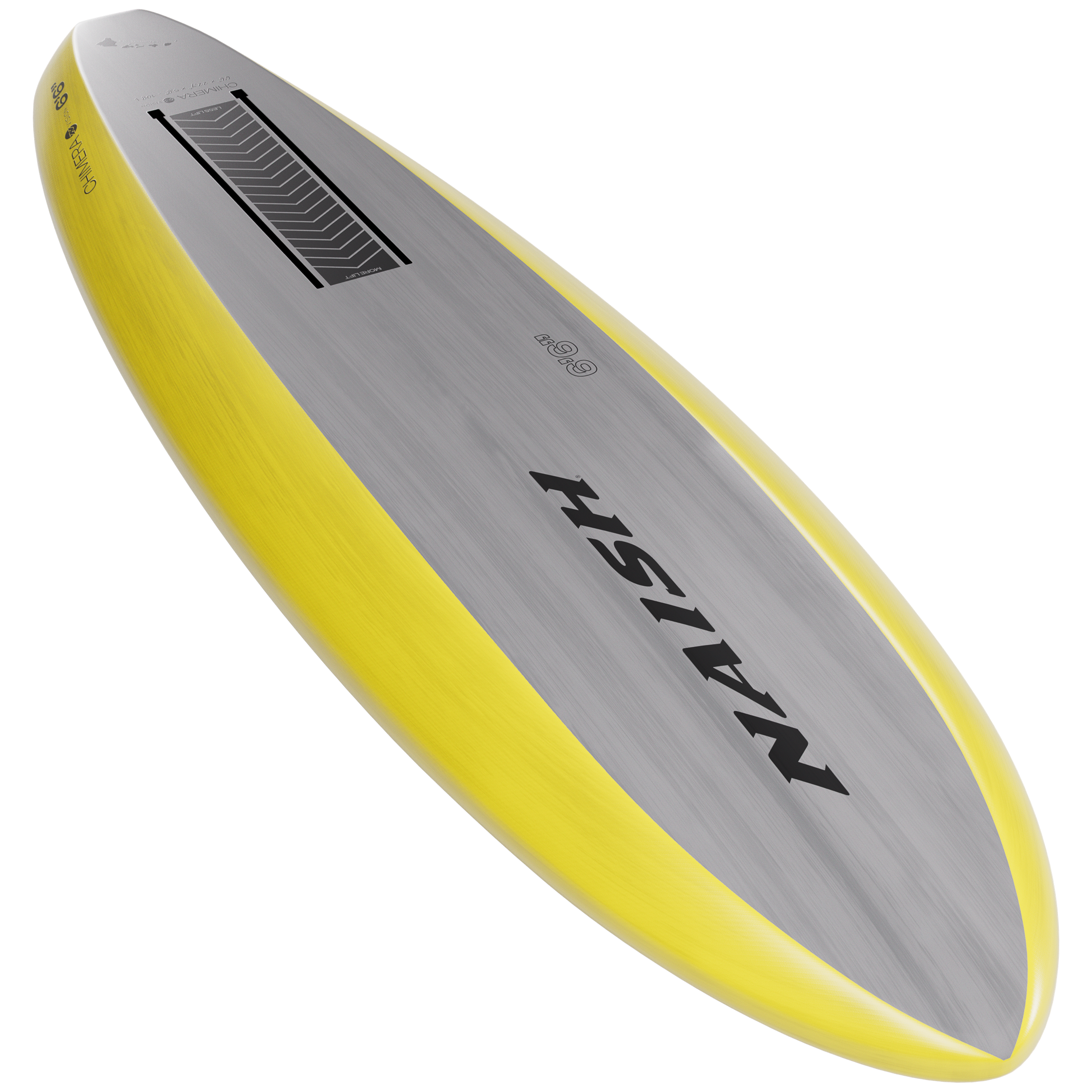
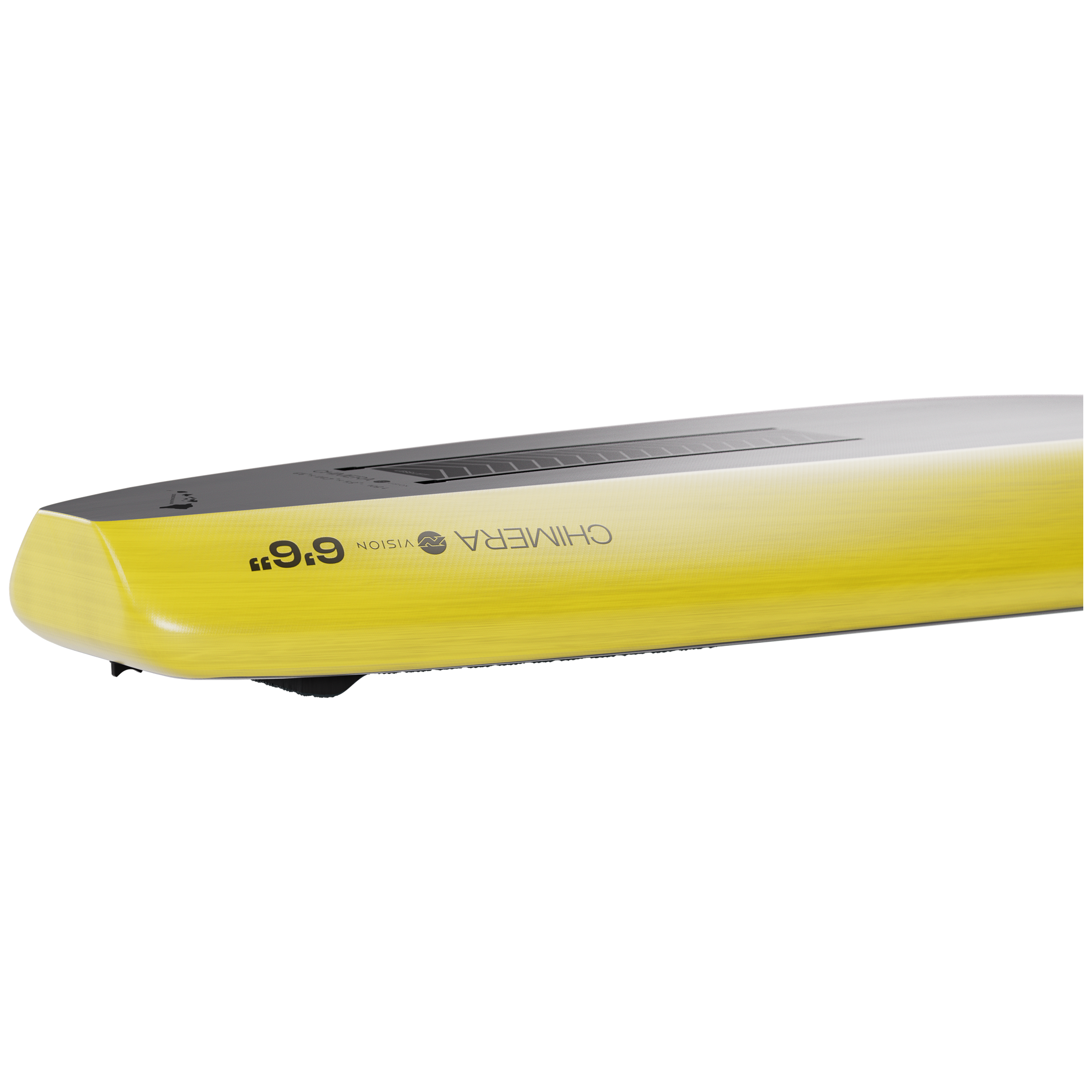
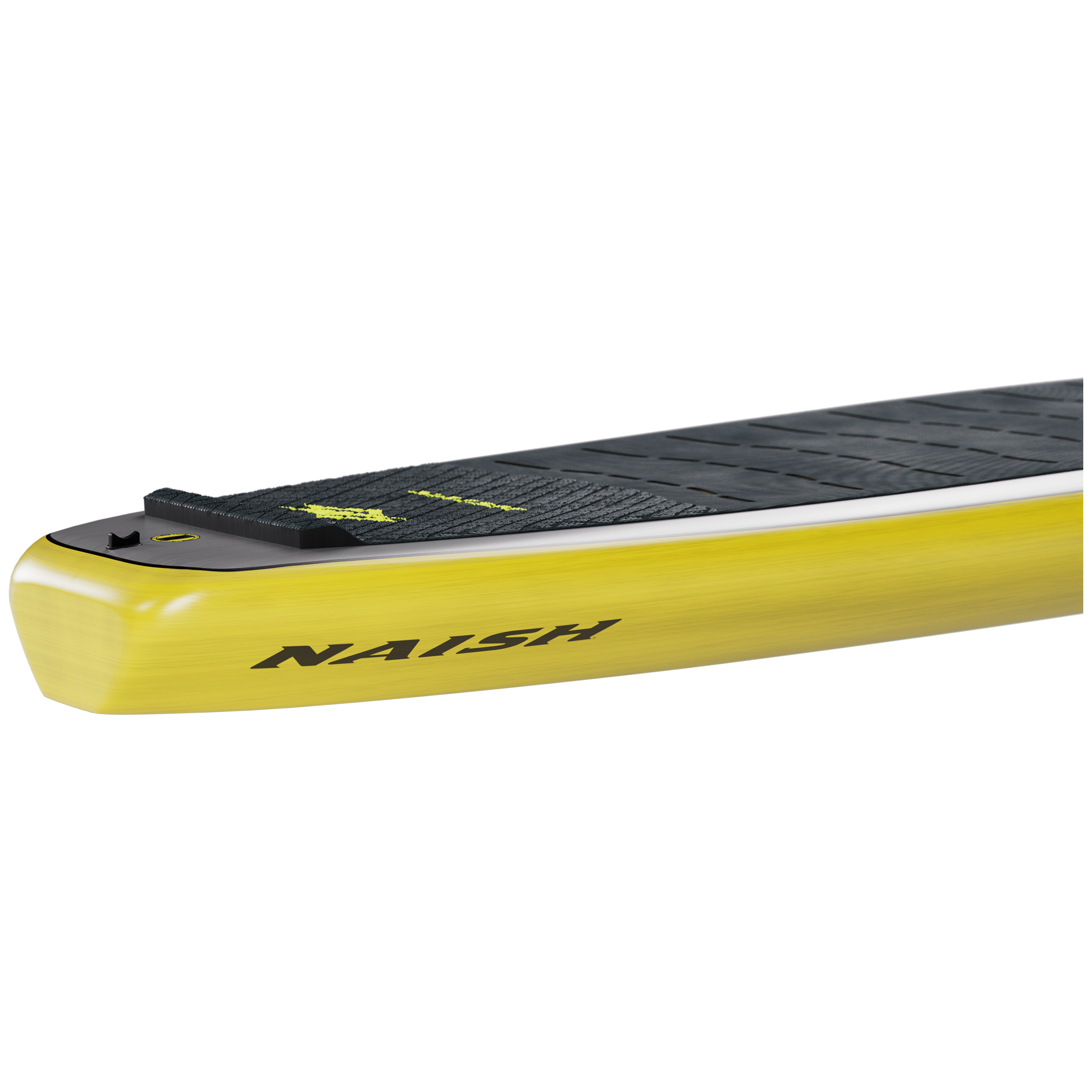
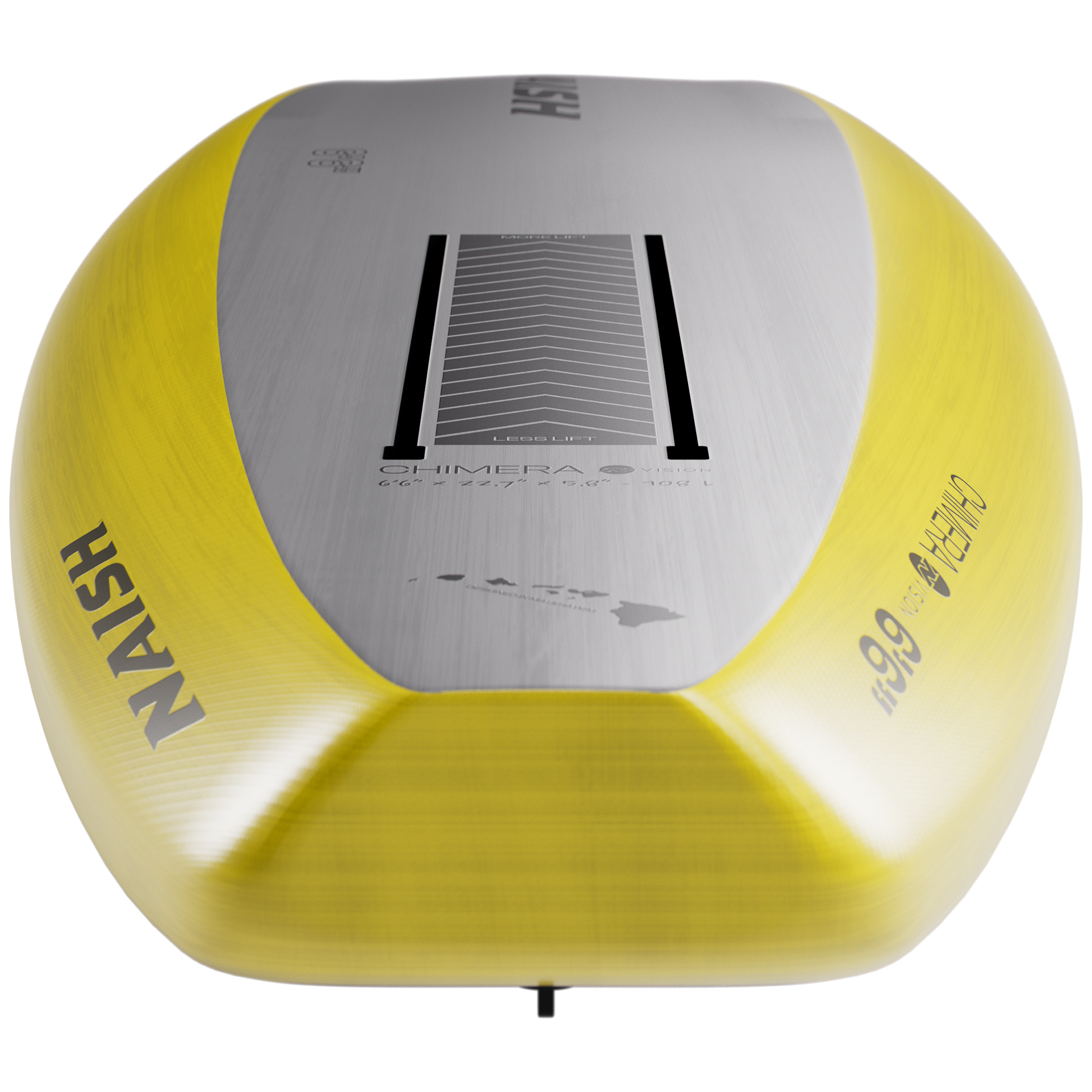
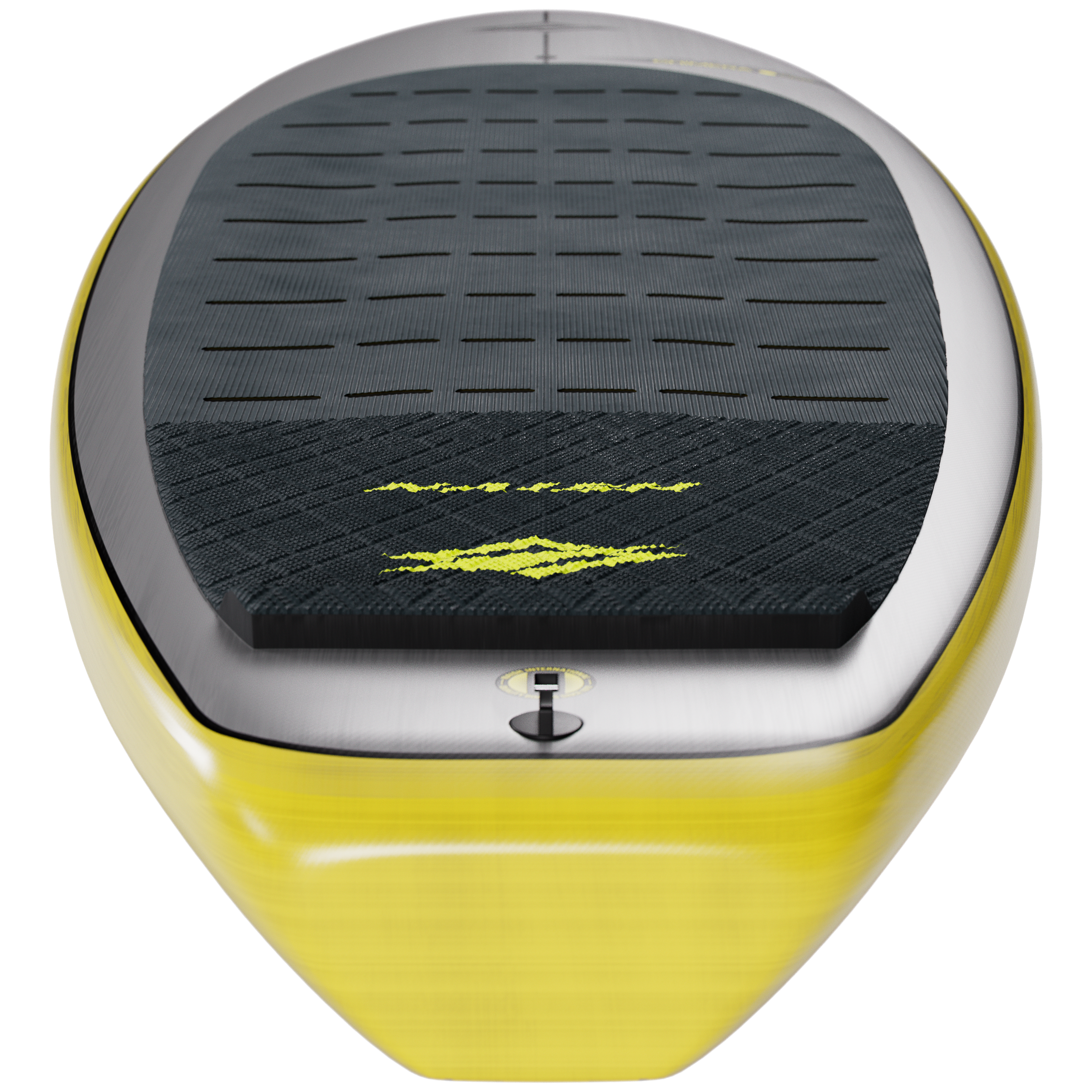
The Chimera Nvision takes the same hollow shell composite construction and applies it to a proven mid-length, all-round platform. Where the Odyssey emphasizes efficiency and glide, the Chimera emphasizes response and control.
By removing swing weight and increasing stiffness, the Chimera Nvision reacts instantly to rider input. Turns initiate immediately, rail-to-rail transitions feel clean and deliberate, and pump return is noticeably improved. Increased buoyancy enables earlier lift in light wind, without sacrificing control when powered.
Refined volume placement, a tuned deck angle, a centered foil box and a narrower outline all contribute to balance through turns, touchdowns, and high-speed glides. The result is a board that feels intuitive and predictable, even when pushed hard.
For advanced wing and parawing riders, the Chimera Nvision offers a direct, connected feel that rewards precision and timing.

Direct From the Design Team
As product development engineers Noah Hoffman and Andrew Gibbons explain:
“Across the whole range, we see about a 2 kg reduction compared to EPS. What surprised us wasn’t just the weight, but the stiffness. You’re standing on a thicker shell instead of carbon over foam, so the feedback between your feet and the foil is much more direct. When we first rode them, both of us felt more volume under our feet, even on the same sizes. The boards were easier to get up on foil, easier to redirect, and the response from rider input to foil reaction was immediate – especially in downwind conditions.”
Design Differences in Practice
Both boards deliver the same core benefits:
✔️ Reduced weight
✔️ Increased stiffness
✔️ Enhanced buoyancy
✔️ Reduced swing weight
✔️ Direct foil feedback
The difference lies in application.
The Odyssey DW Nvision is optimized for paddling efficiency, open-ocean acceleration, and sustained downwind performance.
The Chimera Nvision is optimized for maneuverability, precision, and controlled progression across a wide range of conditions.
Same construction. Two distinct riding experiences.

Hollow shell composite construction isn’t about stripping boards down for the sake of numbers. It’s about building structure with intention. By removing what isn’t needed, these boards deliver clarity in feel, in response and in purpose.
Odyssey DW Nvision and Chimera Nvision represent two expressions of the same design philosophy. One focused on distance and efficiency. The other on precision and control.
Explore Odyssey DW Nvision and Chimera Nvision to find the platform built for how you ride.