The Making of Something Different
By the time Jason van der Spuy signed with Naish, he had options. Several, in fact. But after years of competing at the highest level of Big Air kiteboarding, another sponsorship deal wasn't necessarily what he was looking for. He wanted to be part of something bigger.
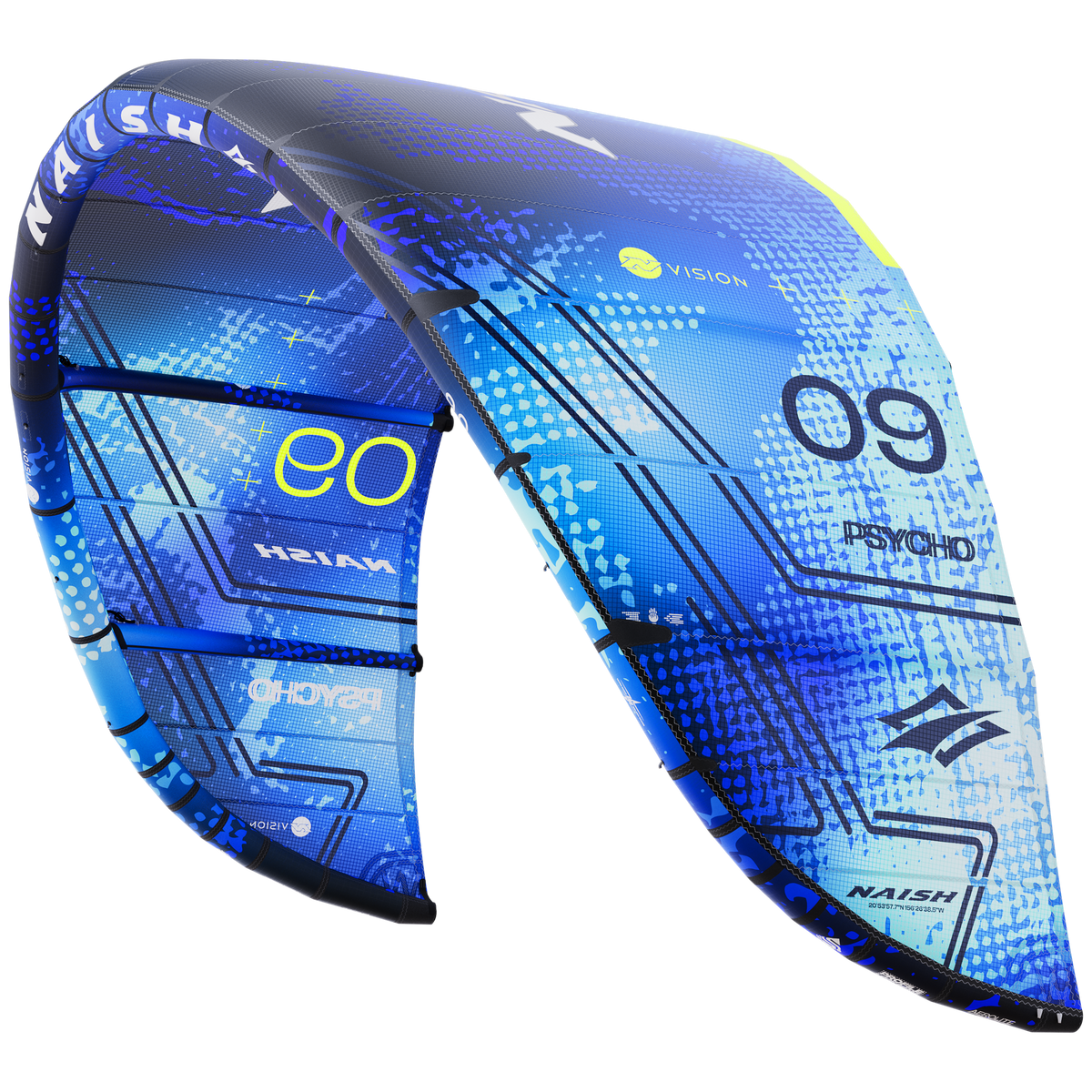
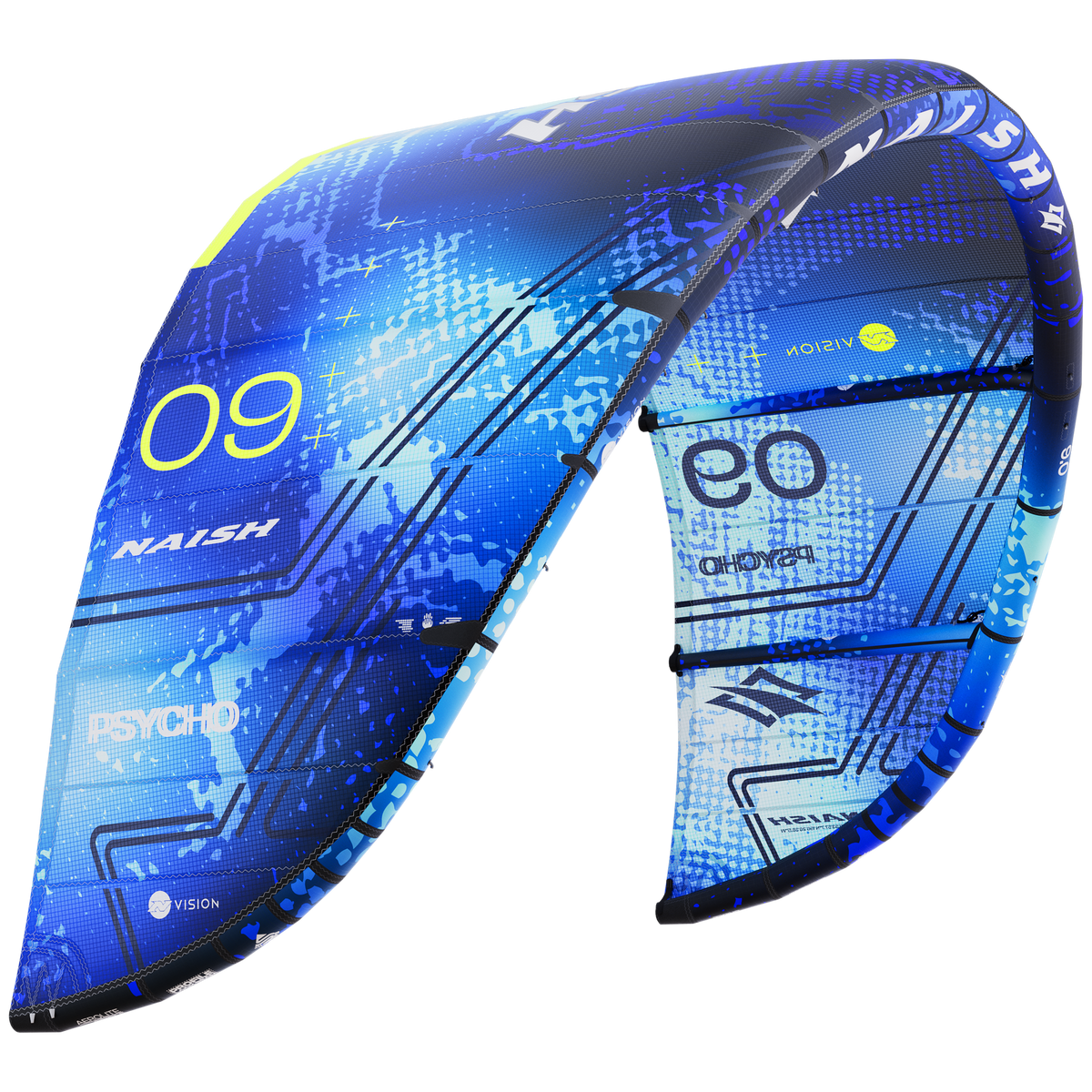
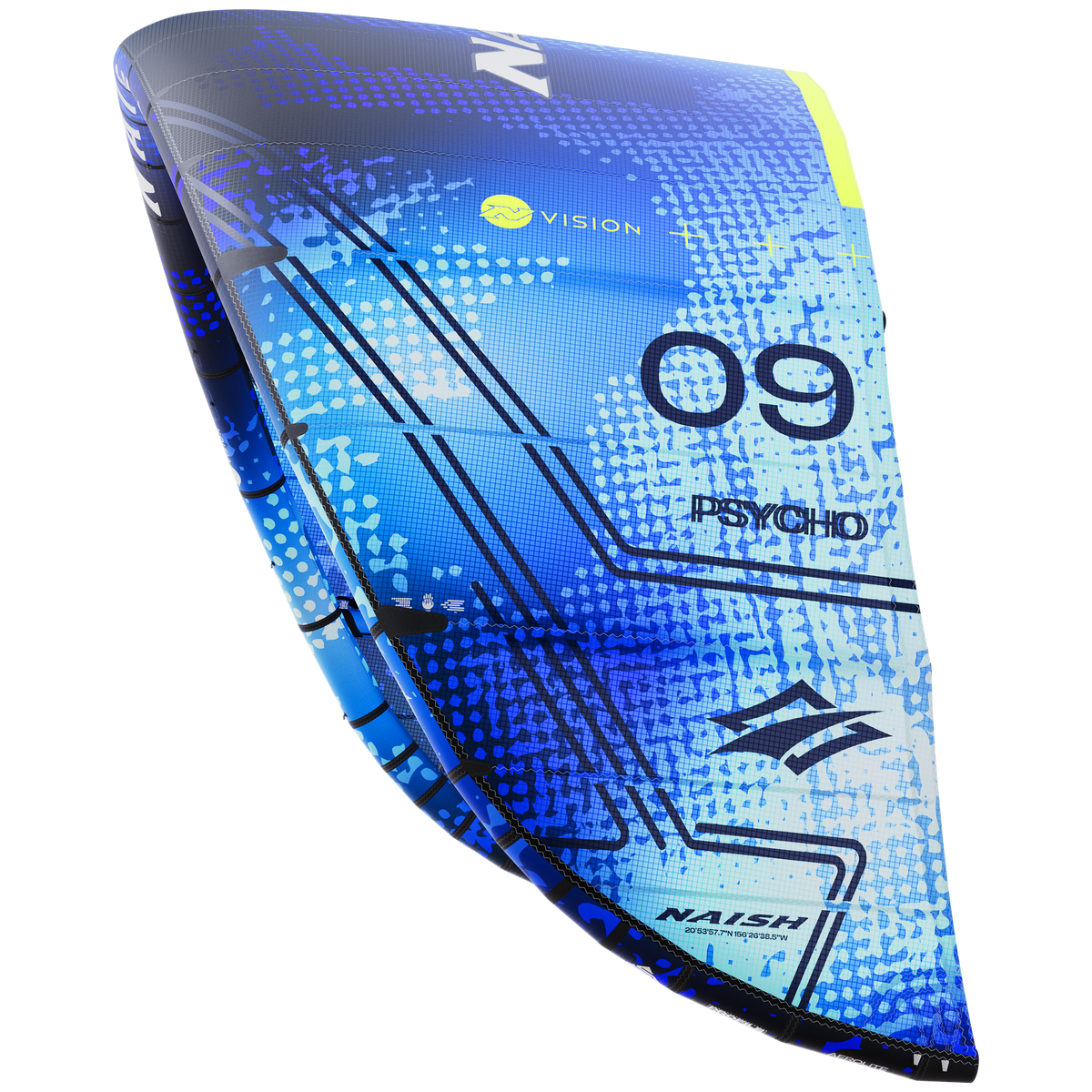
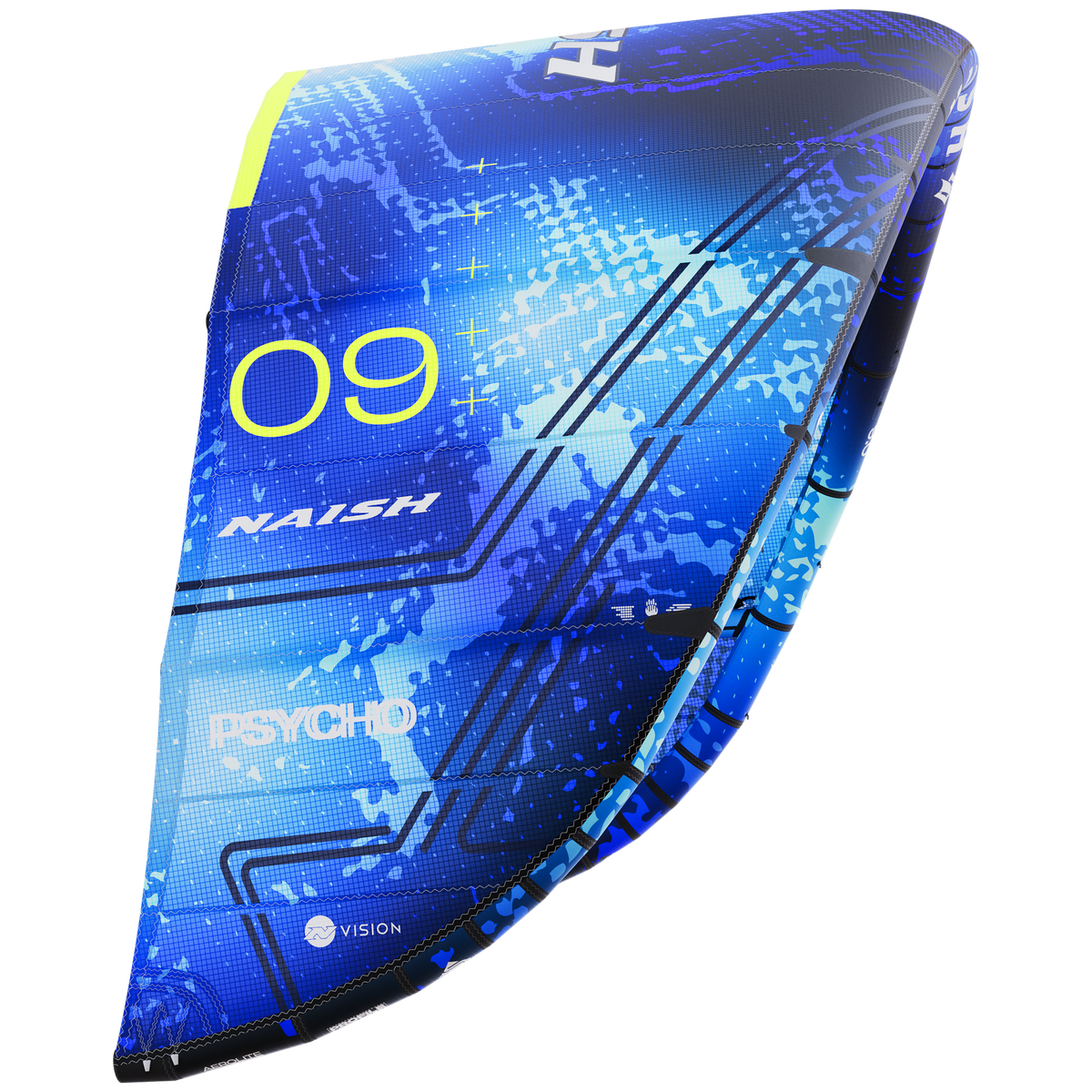
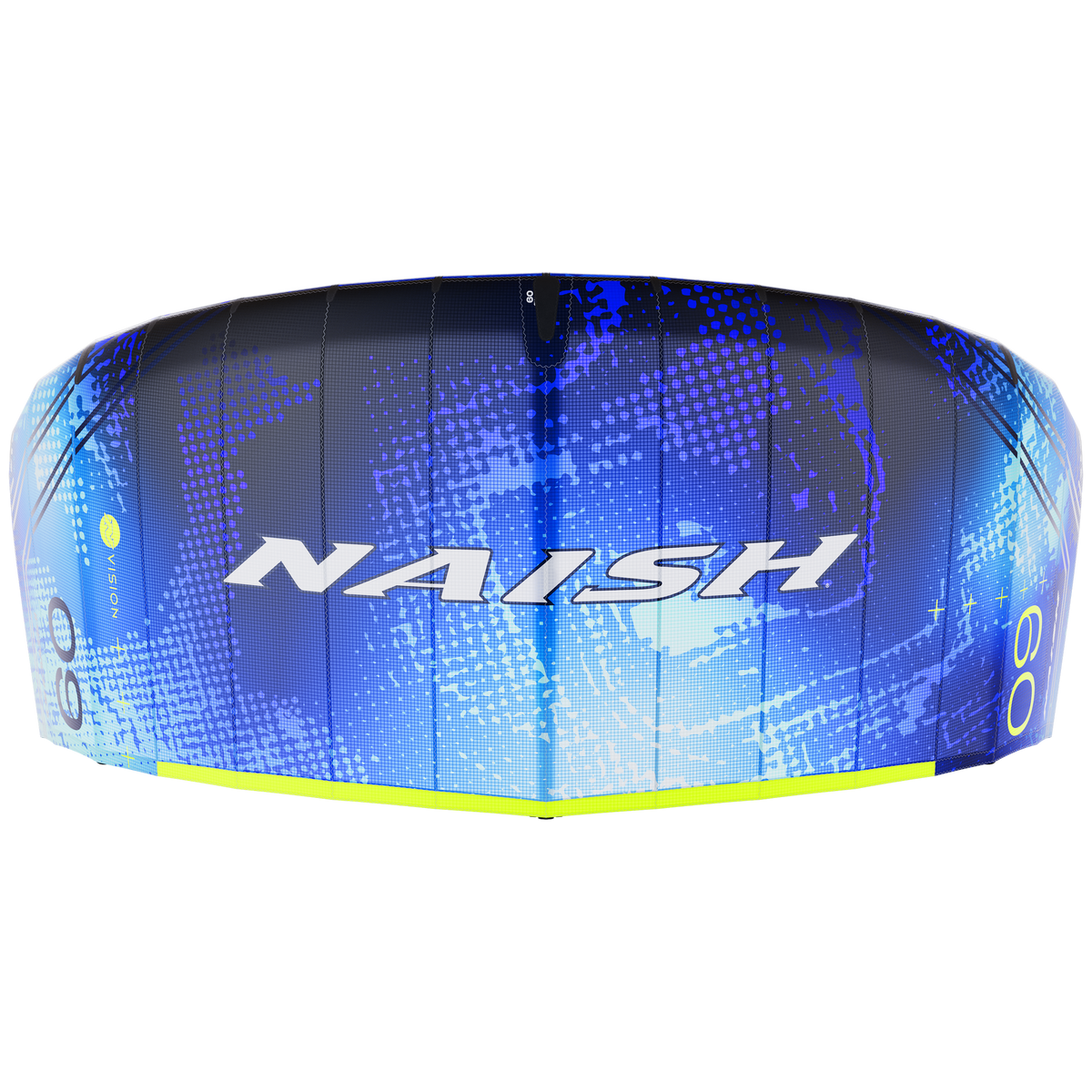
It started with a conversation with Naish designer Ewan Jaspan, who hinted at an entirely new approach to kite construction. At a time when Jason felt innovation across the industry had begun to stagnate, the prospect of developing something genuinely different was enough to get his attention. The project would eventually become the 2027 Psycho NVision. But what began as a promising prototype turned into an eleven-month process of testing, questioning and refining almost every aspect of the kite's performance.
For Jason, the objective was surprisingly straightforward: create a kite that could withstand the demands of the world's most progressive Big Air riders without becoming intimidating for everyone else. It sounds simple. Achieving it was anything but.

In Conversation with Jason van der Spuy
You joined Naish almost a year ago, with the Psycho NVision already in development. What made you want to become part of the project?
"I'll be honest, I had quite a few options with brands I could have joined."
For Jason, the deciding factor was a conversation with Ewan Jaspan about a new technology Naish was developing. He felt kite innovation across the industry had become somewhat stagnant, and the opportunity to help create something genuinely different caught his attention.
"Ewan told me they were doing this new technology on a kite, and they needed some help because they really wanted to make one of the sickest kites ever."
What followed was almost a year of development, taking a promising prototype and pushing it considerably further.
"At the beginning it was good, but it wasn't perfect. And I know there's no such thing as perfect in a kite, but honestly, we've put so much work into this thing."
You're not a kite designer, so what did your involvement in the development process actually look like?
Jason's role wasn't to engineer the kite. It was to identify exactly how he wanted it to feel and work alongside Ewan to make that happen.
"It's a unique position to be in as a rider, where I can talk day in and day out with Ewan, who's the head designer, and give my input and tell him what I want to feel in a kite."
The process involved constant testing, feedback and experimentation, eventually taking Jason to Hood River for a month of intensive development.
"He's got the ideas and the experience to make something happen, and I've got the ability in terms of pushing a kite to its maximum and seeing how much it can hold."

You're known for pushing short-line kite loops to the extreme. How did that influence the development of the Psycho NVision?
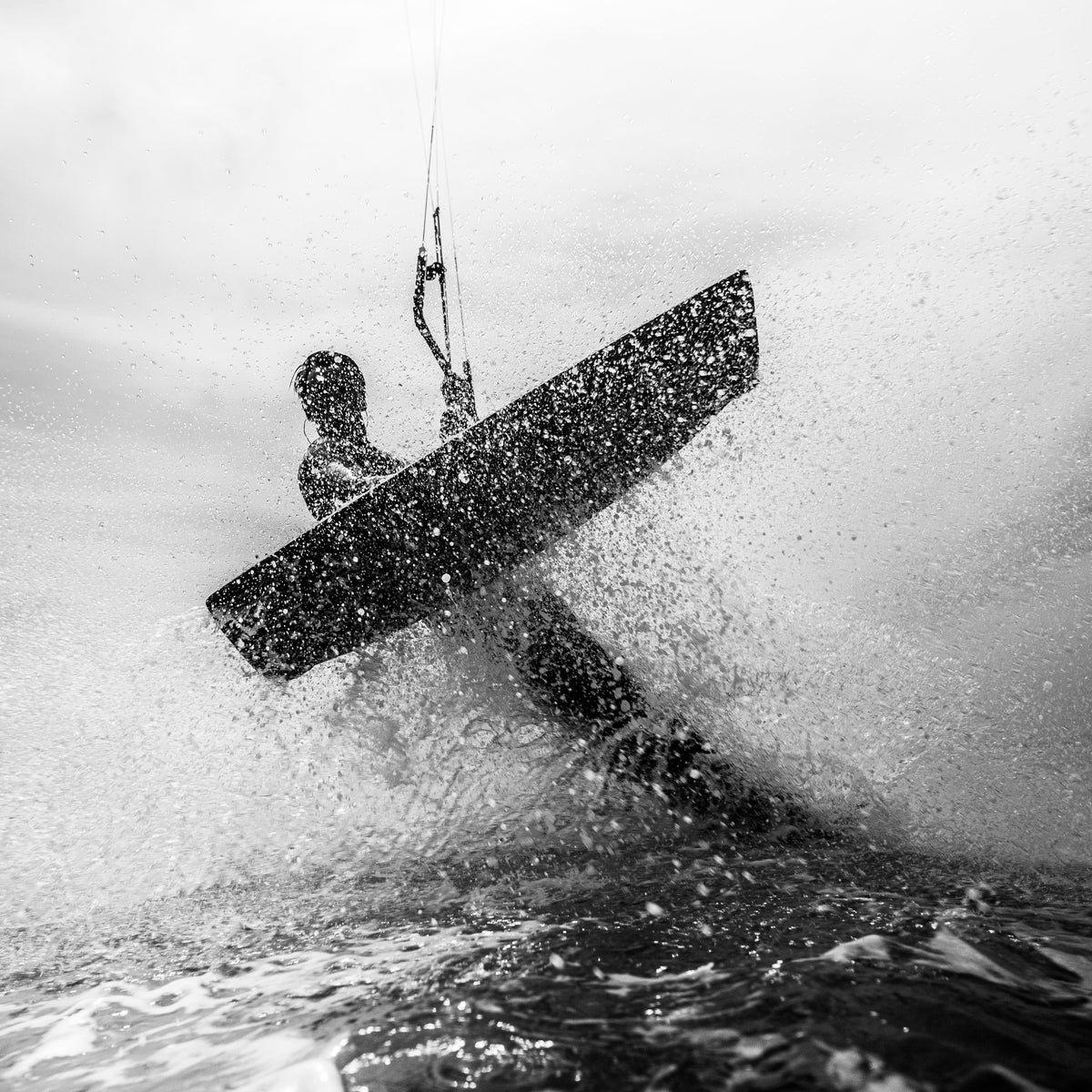
According to Jason, there are two particularly effective ways to expose a kite's weaknesses: long lines in exceptionally strong wind, and extremely short lines where speed and unusual loading angles place enormous demands on its structure.
"If you take short lines in strong wind and you try to do what I do, you can notice a shit kite immediately."
The early prototypes weren't quite where he wanted them. Short-line testing exposed issues that became a priority for further development.
"At the beginning, when I was doing short lines on these new Naish kites, it wasn't where I wanted it. There were some issues that came out when I put those kinds of forces on it."
After months of refinement, the difference was clear.
"Now you can see I was doing short lines on it in Cold Hawaii and all these places, and it's holding its own just fine."
The new Psycho NVision is being positioned as an incredibly intuitive kite. What does that actually mean to you as a rider?
Jason is refreshingly sceptical of the usual language surrounding kite performance.
"Every brand also always says the same generic shit. Good hang time, blah, blah, blah."
For the Psycho NVision, the team focused on three areas: lighter bar pressure, ease of use and progression potential.
"It's way lighter in the bar. You can kite for super long on it. Progression is stupidly easy because there's something about this kite that makes looping and doing tricks feel safe."
He describes a kite that doesn't aggressively pull riders through manoeuvres or put them in uncomfortable positions.
"It doesn't yank you. It doesn't pull you all over the place. So I guess the word is confidence inspiring."
You've spoken openly about safety in Big Air kiteboarding. How important is equipment reliability when you're pushing yourself to that level?
Having experienced equipment failures earlier in his career, Jason knows how quickly they can affect a rider's confidence.
"I've had a lot of experience in the past where I've had gear break on me, and it plays such a big role in your mind and takes confidence away because now you're not just worried about doing the trick."
That experience influenced his decision to join Naish, particularly after testing the new bar and learning more about the manufacturing and construction behind the equipment.
"I have not broken a single Naish product, which is unheard of after a year of riding."
For Jason, reliable equipment and predictable handling make it easier to focus on the manoeuvre itself, rather than worrying about what might go wrong.

There have been some major changes in the construction of the 2027 Psycho NVision. Which development has made the biggest difference to the way it flies?
While Jason acknowledges the improvements in canopy material and printing technology, it's the welded leading edge that stands out.
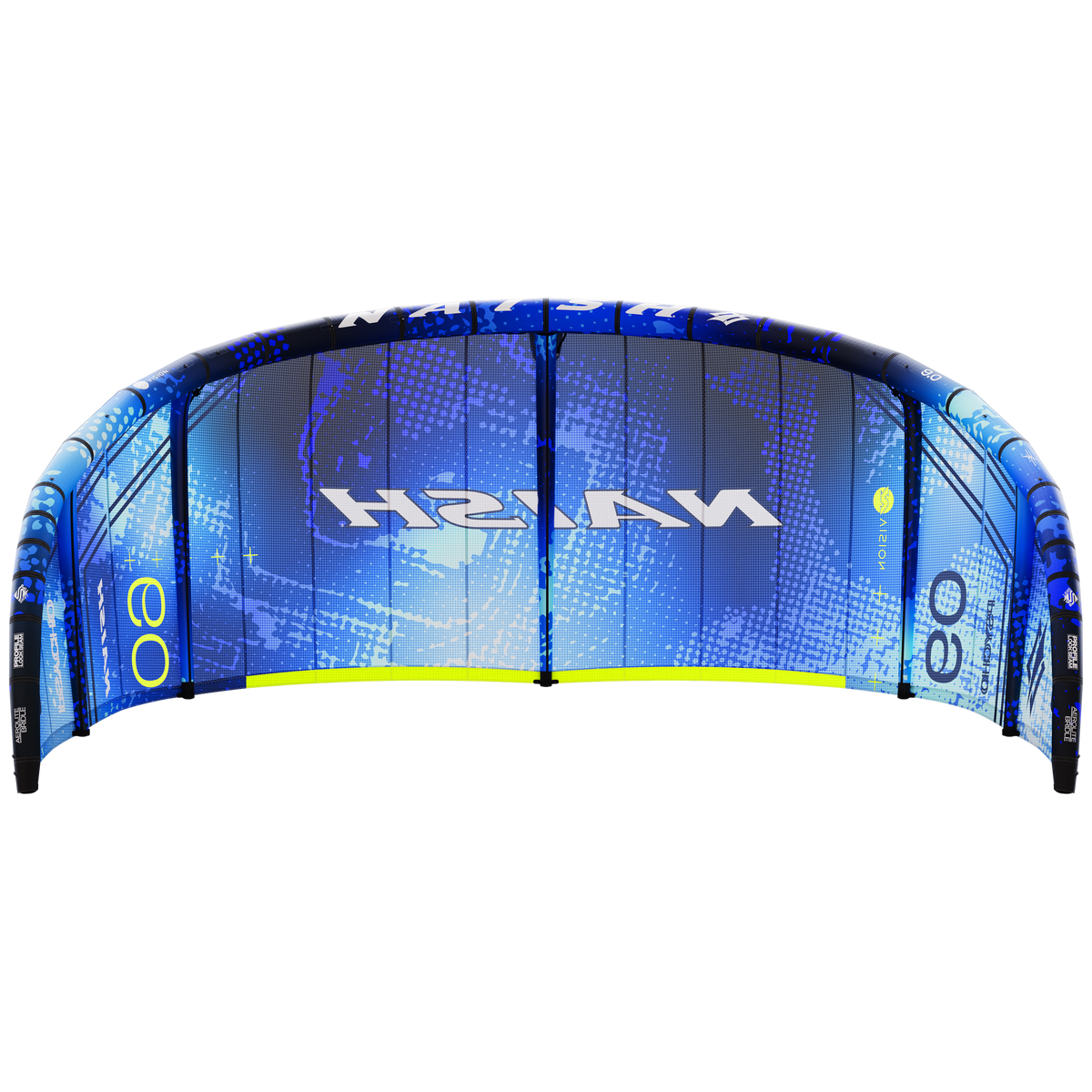
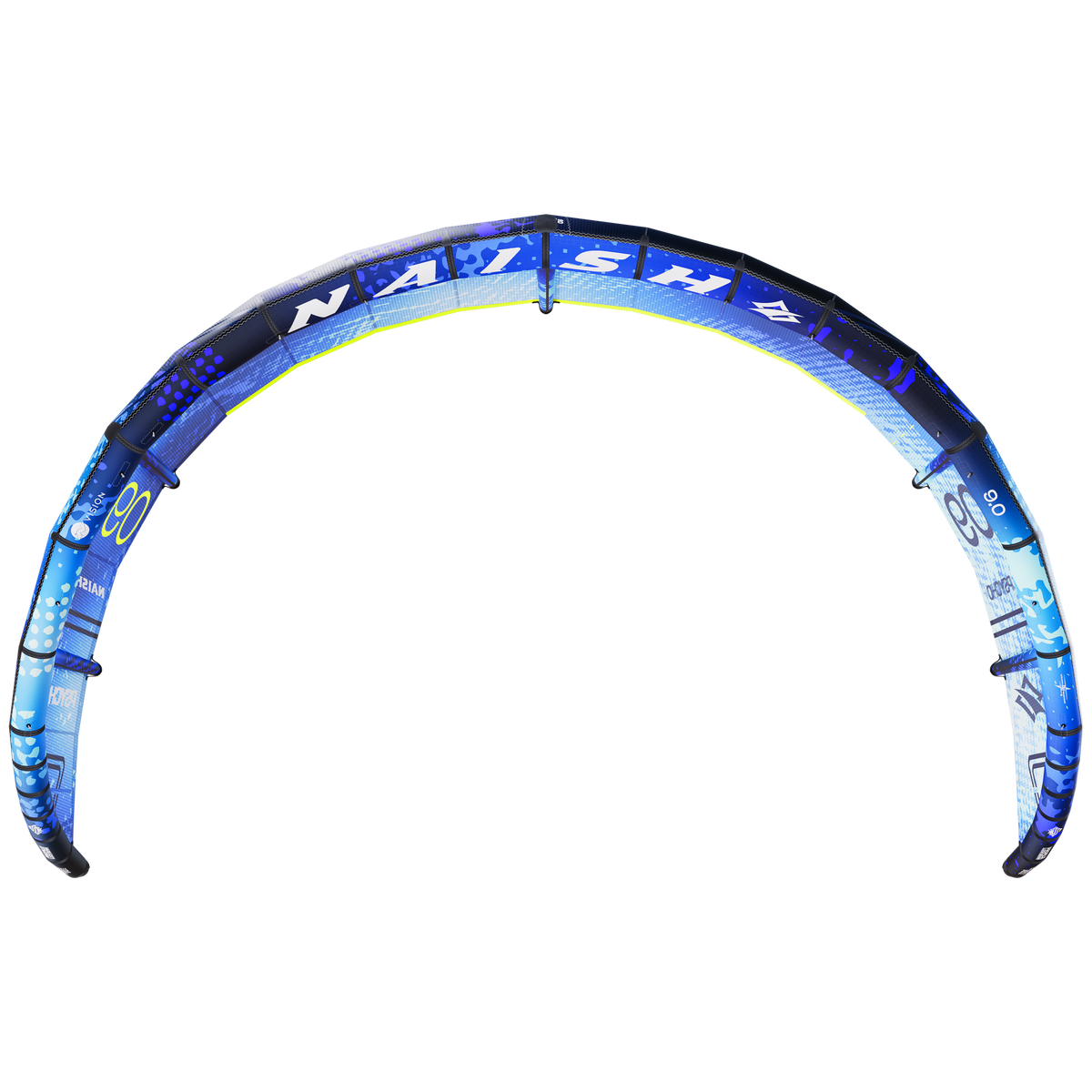
"The leading edge is welded, the entire thing. And it's kind of hard to explain to someone what that feels like until you ride it because it feels like the entire kite just works as one complete unit."
He describes a more connected steering response, with the entire structure reacting cohesively rather than feeling like separate components.
The lighter, crisper canopy also maintains its shape more consistently, while further refinements have reduced flutter and improved efficiency.
"We've put battens on, we've streamlined the whole thing, it's efficient as, so you're looping this thing and it's just like butter."
With so much development already invested in this kite, how much room is there left for improvement?
For Jason, the 2027 Psycho NVision represents the beginning of a new design direction rather than the end of a development cycle.
He explains that kite designers often spend years following and refining a particular philosophy. Eventually, meaningful progress requires exploring something entirely different.
"To get from the previous NVision to this kite we have now, we had to jump out of that rabbit hole and go into a new one where we're chasing a design narrative and idea."
It's a direction he believes has enormous potential.
"This kite, it's a massive improvement, it's great and everything, but it's only the start of what's possible with this design narrative that we're running with."
With further development already underway, Jason is optimistic about what the next few years could bring.
"You make a really good kite, you ride it, it's fucking sick. And then, oh, we should try this. We should try this. It never stops."
Finally, what does the Psycho NVision represent to you personally, after almost a year of helping bring it to life?
For Jason, it all comes back to confidence and accessibility.
"I'm unbelievably comfortable to try new stuff on it, and I think if I feel that, everyone else is going to feel that too."
He explains that competition-focused equipment can often be intimidating for everyday riders, even when it performs exceptionally well in the hands of professionals.
"You get a kite that's really good for competition riders, but it's really intimidating for 99% of the market."
With the Psycho NVision, he believes the team has found a balance that doesn't require riders to compromise between performance and approachability.
"This kite, it caters well towards me in competition, but I think it caters extremely well to 99% of the market."